
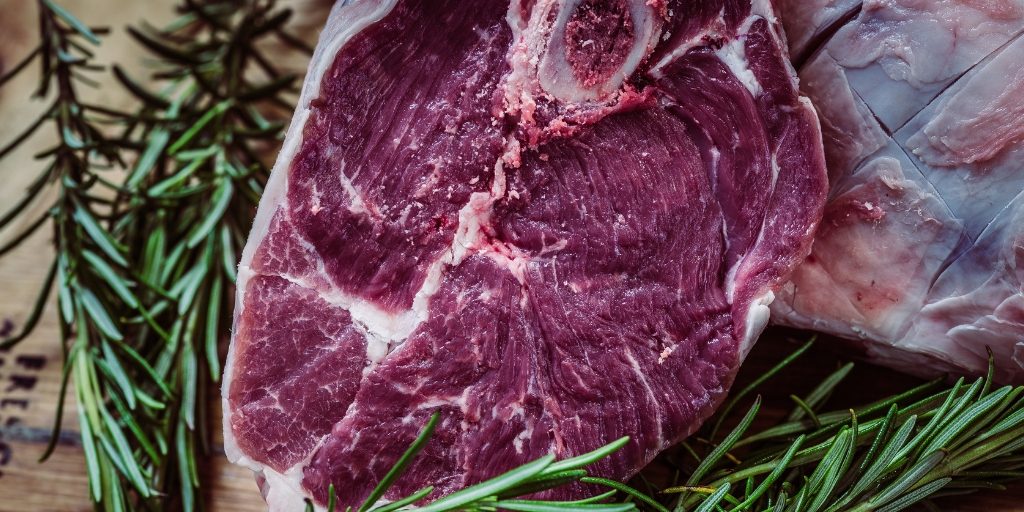
A beef allergy is an immune reaction to proteins found in beef. When someone with a beef allergy eats beef or is exposed to beef-derived products, their immune system treats those proteins as a threat and triggers an allergic response.
Beef allergy is rare and not always well documented, particularly in mild cases. It can occur in both children and adults, with symptoms sometimes appearing as early as age three.
Beef allergy vs. alpha-gal syndrome: what’s the difference?
A true beef allergy is a reaction to proteins in beef, such as bovine serum albumin (BSA). It works like most food allergies: the immune system produces IgE antibodies against a specific protein, and symptoms appear relatively quickly after eating.
Alpha-gal syndrome is something different. It’s triggered by a lone star tick bite and causes a delayed allergic reaction to a sugar molecule (alpha-gal) found in mammalian meat, not a protein. Reactions typically begin 3 to 6 hours after eating, rather than within minutes. Someone can test negative for a beef protein allergy and still have alpha-gal syndrome.
The two conditions can look similar on the surface but have different causes, different testing requirements, and different management approaches.
If you’ve had unexplained reactions after eating red meat, particularly delayed reactions that come on hours after a meal, it’s worth being tested for both. Read more about alpha-gal syndrome.
Symptoms of beef allergy
Symptoms of a beef allergy typically appear within minutes to a couple of hours after eating and can range from mild to severe. They include:
- Hives or skin rash
- Itching or tingling in the mouth
- Swelling of the lips, tongue, throat, or face (angioedema)
- Nausea, vomiting, stomach cramping, or diarrhea
- Runny nose or sneezing
- Shortness of breath or wheezing
- Anaphylaxis
Anaphylaxis is a severe, whole-body reaction that can include throat swelling, a sudden drop in blood pressure, and loss of consciousness. It requires immediate emergency treatment.
If you experience throat tightening, difficulty breathing, or feel faint after eating, call 911 right away.
Causes and risk factors
A beef allergy develops when the immune system mistakenly identifies proteins in beef as harmful and mounts an IgE-mediated response. The exact reason this happens in some people and not others isn’t fully understood.
Risk factors include:
Tick bites. Most cases of red meat reactivity in adults are actually alpha-gal syndrome triggered by a lone star tick bite, not a true protein allergy. If you’ve spent time in tick-prone areas and developed a new sensitivity to red meat, a tick bite may be the cause.
Cat allergy. There is a known link between cat allergy and beef allergy called pork-cat syndrome (though it also applies to beef). People allergic to cat serum albumin can cross-react to the albumin protein in beef.
Food dye sensitivity. Some people react not to beef itself but to carmine, the red dye used in some processed and packaged meat products. If reactions seem inconsistent across different beef products, this is worth investigating with your allergist.
Age. Beef allergy in children sometimes resolves over time. In adults it tends to persist.
Diagnosis
Diagnosis of a beef allergy typically involves a combination of:
Medical history review. Your allergist will ask about the timing of symptoms, what you ate beforehand, and whether reactions are immediate or delayed. The timing is an important early clue.
Skin prick testing. A small amount of beef extract is applied to the skin and observed for a reaction.
Blood testing. IgE blood tests can detect antibodies to specific beef proteins, including bovine serum albumin.
Oral food challenge. In some cases, a supervised food challenge is needed to confirm the diagnosis. This is done in a clinical setting where a reaction can be managed safely.
Alpha-gal IgE testing. Because delayed reactions to beef are more commonly caused by alpha-gal syndrome than a true beef protein allergy, your allergist may also test for alpha-gal IgE. A negative beef protein test doesn’t rule out a red meat allergy.
Treatment and management
Strict avoidance is the foundation of managing a beef allergy. This means reading ingredient labels carefully and asking about preparation methods when eating out. Beef derivatives can appear in unexpected places, including stocks, broths, some supplements, and certain processed foods.
Antihistamines can help manage milder symptoms such as hives or stomach discomfort.
Epinephrine autoinjector. Anyone with a history of severe reactions or anaphylaxis should carry an epinephrine autoinjector at all times. Options include EpiPen, Auvi-Q, and neffy (intranasal epinephrine). Antihistamines are not a substitute for epinephrine in a severe reaction. Use epinephrine first, then follow up with emergency care.
Allergy management plan. Your allergist can help you develop a written action plan for managing accidental exposures.
Medications that contain alpha-gal
If you have alpha-gal syndrome or a sensitivity to mammalian-derived products, certain medications can also trigger a reaction. Unlike food-related reactions, reactions to intravenous medications can occur immediately rather than with a delay.
Medications known to contain alpha-gal epitopes include:
- Cetuximab (used in chemotherapy)
- Crotalidae antivenom (used to treat snake bites)
- Equine antivenom (used to treat snake bites)
- Infliximab (used to treat rheumatoid arthritis)
This is not a complete list. If you’ve been diagnosed with a beef allergy or alpha-gal syndrome, tell every prescribing physician and pharmacist. Before any procedure or hospital admission, make sure the team is aware so they can check for mammalian-derived ingredients in anything administered intravenously.
Is beef allergy curable?
There is no cure for beef allergy. Some children outgrow food allergies over time, but this varies. An allergist can monitor your sensitivity over time and advise on whether reintroduction of beef is appropriate to consider.
Related conditions
Alpha-gal syndrome. The most common cause of delayed red meat reactions in adults. Caused by a lone star tick bite, not a beef protein. Requires separate testing.
Milk allergy. Beef and cow’s milk share some proteins. People with a beef allergy may also react to cow’s milk, though this cross-reactivity isn’t universal.
Pork-cat syndrome. Cross-reactivity between cat serum albumin and mammalian meat proteins (including beef and pork) in people who are sensitised to cats.
See an allergist in NYC
If you’re reacting to beef or red meat and aren’t sure why, the allergists at New York Allergy and Sinus Centers can test for both beef protein allergy and alpha-gal syndrome and help you understand what’s going on.
Call us at (212) 686-6321 or book an appointment online.
Beef Allergy Frequently Asked Questions
Can I Be Allergic to Beef?
If you’ve been bitten by a Lone Star Tick, you might be allergic to beef. Call one of our allergy specialists for a diagnosis.
How Do I Know if I’m Allergic to Beef or Just Intolerant?
Visit an allergist for an allergy test and they will determine if you are allergic or just sensitive to beef. You should still avoid beef if you are intolerant.
How Is Beef Allergy Diagnosed?
An allergist can diagnose your beef allergy with a quick allergy test. In many cases, you will need a food challenge to confirm the diagnosis of a beef allergy.
How Is Beef Allergy Treated?
Beef allergy is treated with strict avoidance and antihistamines. For more serious allergies, you may need an epinephrine auto-injector. Your allergist can train you how to use it.
How Rare Is A Beef Allergy?
Beef allergy is a very rare condition and not well documented. While severe cases have been documented, research does not account for mild cases that go unknown.
Is Beef Allergy Curable?
No, beef allergy is not curable. However, if you’re allergic to beef, contact NY Allergy & Sinus Centers for allergy management.
What Are The Risk Factors Of A Beef Allergy?
If you are allergic to ticks, then you may be at risk of developing a beef allergy. Be sure to get allergy tested at NY Allergy & Sinus Centers to determine your allergies.
When Do People Develop A Beef Allergy?
Beef allergy can occur in children and adults. People can show symptoms as early as 3 years old.
Why Are People Allergic to Beef?
Most people are allergic to beef because of a Lone Star Tick bite. If you’ve been bitten by a tick, seek treatment from a board-certified allergist.
