
Histamine is a chemical compound that plays a vital role in your immune system, digestive function, and nervous system. While histamine serves essential functions in the body, some individuals develop an inability to break down histamine properly, resulting in a condition known as histamine intolerance. This occurs when the body accumulates too much histamine because it can’t break down histamine efficiently, resulting in various uncomfortable symptoms that can significantly impact daily life.
Understanding histamine intolerance is crucial for managing symptoms and enhancing quality of life, as many common foods high in histamine can trigger reactions without people realizing the connection.
What Is Histamine and Why Does It Matter?
Histamine is a natural compound produced by your body’s immune cells, particularly mast cells, as part of the inflammatory response. When your body detects a potential threat, mast cells release histamine to help fight off infections and promote healing of injuries. Histamine is also present in foods, particularly those that have been aged, fermented, or stored for an extended period. The level of histamine in fermented foods can be exceptionally high, as bacteria produce histamine during the fermentation process.
Under normal circumstances, your body has enzyme systems designed to regulate histamine in your body. The primary enzyme responsible for breaking down histamine is diamine oxidase (DAO), which works in the digestive tract to break down histamine from food. Another enzyme, histamine N-methyltransferase (HNMT), helps metabolize histamine within cells. When these enzyme systems function correctly, they maintain healthy histamine levels in your body. However, when DAO activity is reduced or insufficient, the inability to break down histamine leads to an accumulation of histamine in the bloodstream, resulting in histamine intolerance symptoms that can mimic allergic reactions.
What Are the Symptoms of Histamine Intolerance?
The symptoms of histamine intolerance can vary widely from person to person and may affect multiple body systems simultaneously. Common symptoms include:
- Headaches or migraines
- Nasal congestion
- Skin flushing
- Hives or eczema
- Digestive issues (such as bloating and diarrhea)
- Irregular heartbeat
- Fatigue
- Anxiety
Many people with histamine intolerance experience allergy symptoms even without having traditional food allergies, making this condition particularly challenging to identify. The symptoms typically occur within minutes to hours after consuming foods high in histamine or histamine triggers.
What makes diagnosing histamine intolerance particularly difficult is that symptoms can be inconsistent and depend on the total amount of histamine consumed, the individual’s current DAO levels, and other factors like stress, hormonal fluctuations, and medication use. Unlike a food allergy, which triggers an immediate and consistent immune response, histamine intolerance may cause varying reactions depending on the amount of histamine in your body. Some days, a particular food may cause no issues, while at other times, the same food can trigger significant discomfort. This variability often leads people to struggle for years before understanding the cause of their symptoms.
At NY Allergy & Sinus Centers, with locations throughout Manhattan, Queens, and Staten Island, our specialists can help identify whether histamine intolerance may be causing your symptoms through comprehensive evaluation and testing.

What Foods Are High in Histamine?
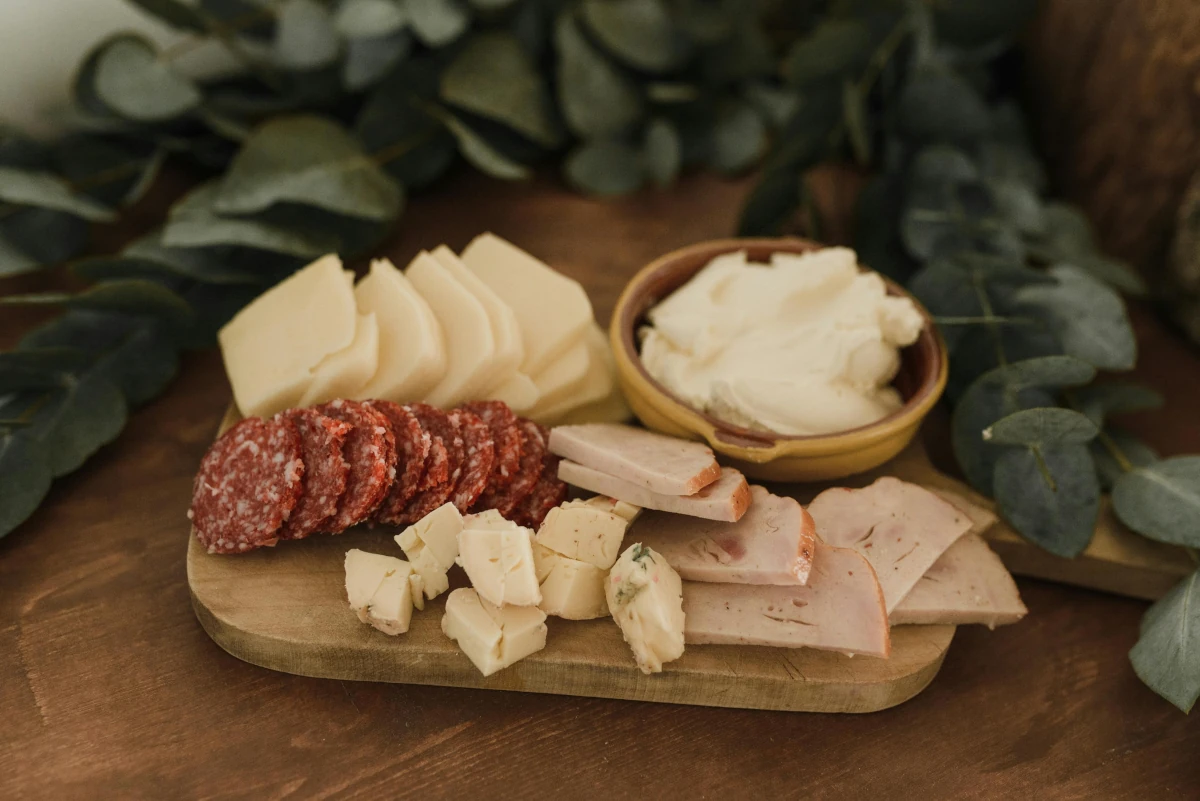
The histamine content of foods varies significantly based on processing, storage time, and preparation methods. Foods naturally high in histamine include:
- Aged cheeses
- Cured meats like salami and pepperoni
- Fermented foods such as sauerkraut and kimchi
- Alcoholic beverages, particularly wine and beer
- Smoked fish
- Vinegar-based products.
The concentration of histamine increases as foods age or ferment, which is why aged products typically contain significantly more histamine than their fresh counterparts. Fresh fish, for example, normally has a low histamine level. However, as it sits, even under refrigeration, bacteria break down proteins and produce histamine, making older fish higher in histamine than fresh catches.
Specific food categories consistently appear on the list of foods to avoid for those managing histamine intolerance. Fermented foods, while often promoted for their benefits to gut health, contain some of the highest levels of histamine due to bacterial activity during fermentation. The histamine in fermented foods, such as yogurt, kefir, kombucha, and aged soy sauce, can be particularly problematic.
Additionally, some foods act as histamine liberators, meaning they don’t contain much histamine themselves but can trigger your mast cells to release histamine stored in your body. These include citrus fruits, strawberries, tomatoes, chocolate, and certain food additives. Leftovers also pose a risk, as the level of histamine in foods increases with storage time, even when stored in the refrigerator. The combination of foods consumed at one meal can also affect histamine levels, as eating multiple high-histamine foods together may exceed your body’s capacity to process them.
What Are Low-Histamine Foods to Eat?
Following a low-histamine diet doesn’t mean eliminating all enjoyable foods. Many fresh, minimally processed options are naturally low in histamine and can form the foundation of a satisfying diet.
Fresh meat and poultry, fresh fish consumed within hours of catch, most fresh vegetables except tomatoes, spinach, and eggplant, fresh fruits like apples, pears, melons, and blueberries, fresh dairy products like milk and cream cheese, eggs, gluten-free grains like rice and quinoa, and most herbs and spices are generally well-tolerated. The key principle with foods to eat on a low-histamine diet is freshness—the fresher the food, the lower its histamine content.
When building meals around low-histamine foods, the preparation method matters significantly. Cooking methods that don’t involve fermentation or lengthy cooking times are most effective. Frozen foods can be part of a low-histamine diet if they were frozen immediately after harvest or preparation, as freezing halts histamine production. However, foods that have been stored fresh for several days before freezing will already have elevated histamine levels. Many people with histamine intolerance find that eating freshly prepared meals rather than leftovers makes a substantial difference in their symptoms.
At our NYC locations, our specialists can provide personalized guidance on creating a sustainable, low-histamine meal plan that meets your nutritional needs while effectively managing your histamine levels.
How Is Histamine Intolerance Diagnosed?
There is no single definitive way to diagnose histamine intolerance, making it challenging to identify this condition. Unlike true food allergies that can be detected through IgE antibody testing, histamine intolerance doesn’t produce specific antibodies. Some practitioners may measure DAO enzyme levels through blood tests, as low DAO activity suggests difficulty processing histamine. However, DAO testing isn’t standardized or widely available, and various factors, including recent food intake and medications can influence results.
The most reliable approach to diagnosing histamine intolerance involves an elimination diet combined with symptom tracking. This diet requires you to remove foods high in histamine and histamine liberators for a period of typically two to four weeks while keeping a detailed food diary. A food diary can help identify patterns between what you eat and your symptoms. After the elimination phase, you gradually reintroduce foods one at a time, monitoring for symptom recurrence. This methodical reintroduction helps create a personalized list of foods that trigger your specific reactions.
Our allergists at NY Allergy & Sinus Centers, serving all five boroughs of New York City, can guide you through this process and help rule out other allergies that cause similar symptoms, ensuring you receive an accurate diagnosis. Suppose you’re experiencing persistent symptoms that may have a component of histamine intolerance. In that case, we encourage you to schedule a free consultation at any of our convenient NYC locations or call us at 212-686-6321.
What Causes Histamine Intolerance to Develop?
Several factors can contribute to the development of histamine intolerance. The most common cause involves reduced DAO enzyme activity, which can result from genetic variations, gastrointestinal disorders, certain medications, or nutrient deficiencies. Conditions that damage the intestinal lining, such as inflammatory bowel disease, celiac disease, or small intestinal bacterial overgrowth (SIBO), can impair DAO production since this enzyme is primarily produced in the gut. Medications, including nonsteroidal anti-inflammatory drugs (NSAIDs), certain antibiotics, and some cardiovascular medication,s can block DAO activity or increase histamine release.
Hormonal fluctuations also affect histamine levels, which explains why some women notice their histamine intolerance symptoms worsen during certain phases of their menstrual cycle or during pregnancy. Estrogen can reduce DAO activity and increase histamine release, creating a temporary state where the body can’t break down histamine as efficiently. Additionally, chronic stress, alcohol consumption, and gut dysbiosis can all influence histamine production and breakdown. Understanding these underlying factors is crucial because addressing the root cause—whether it’s healing the gut lining, correcting nutrient deficiencies, or adjusting medications—can improve DAO function and reduce the severity of histamine intolerance over time.
What Treatment Options Are Available for Histamine Intolerance?
Treatment for histamine intolerance typically involves a multifaceted approach that combines dietary modifications, supplements, and addressing underlying health issues. The cornerstone of management is following a low-histamine diet that limits foods with high histamine content while avoiding histamine triggers. This doesn’t necessarily mean a permanent restriction; many people find that they can eventually reintroduce certain foods in moderation once their histamine levels stabilize and their gut health improves.
DAO enzyme supplements can help some people break down histamine from food more effectively, essentially providing the enzyme their body isn’t producing in sufficient quantities. These supplements are typically taken before meals to help process dietary histamine. Antihistamine medications, particularly H1 and H2 blockers, can help manage symptoms by blocking histamine receptors. Addressing gut health through probiotics (specifically strains that don’t produce histamine), healing leaky gut, and treating conditions like SIBO can improve natural DAO production. Nutrient supplementation with vitamin C, vitamin B6, copper, and quercetin may support histamine metabolism and reduce histamine levels. The treatment approach should be individualized based on symptom severity, underlying causes, and the specific way food intolerance manifests in each person.
Start a low-histamine diet and treatment plan today.
At NY Allergy & Sinus Centers, our experienced team works with patients across Manhattan, Queens, the Bronx, and Staten Island to develop comprehensive treatment plans that reduce histamine levels and provide lasting relief. Don’t let histamine intolerance control your life—schedule your free consultation today by calling 212-686-6321.