
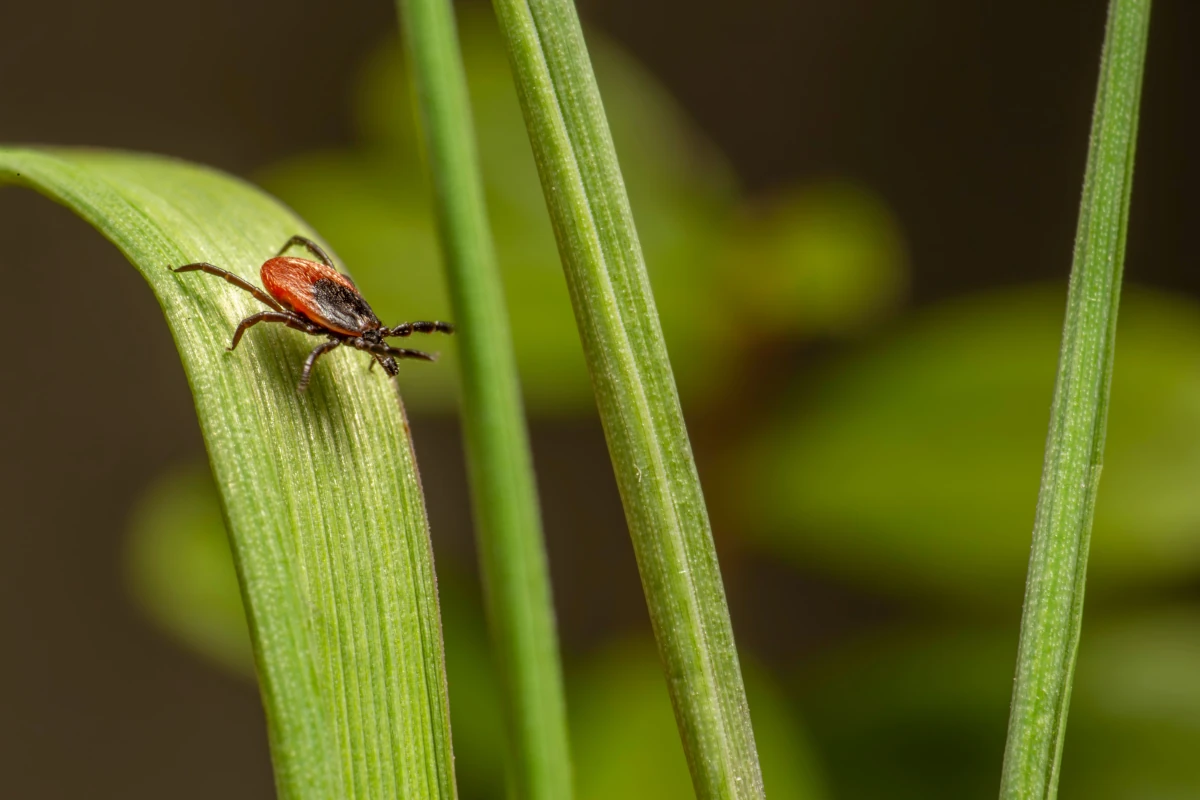
Ticks don’t wait for you to wander into the woods. They sit at the edge of trails, in tall grass, along the border where your lawn meets a shrubby area. And they wait. In New York, tick season runs roughly from May through September, with activity peaking in the warmer months when people are spending the most time outside.
Most people know ticks can cause Lyme disease. Fewer know they can also trigger alpha-gal syndrome, a delayed allergy to red meat that develops after a lone star tick bite. Or Rocky Mountain spotted fever. Or anaplasmosis. The list of tick-borne conditions is longer than most people realise, and the best defence against all of them is the same: avoid getting bitten in the first place.
Here’s how to do that.
Before you go outside
Dress for the environment, not the weather
This one’s uncomfortable advice in summer, but it matters. Long pants tucked into socks and a shirt tucked into your waistband create a physical barrier that stops ticks from reaching skin. Light-coloured clothing helps too, not because ticks dislike it, but because it’s easier to spot a tick crawling on white fabric than dark.
If you’re going somewhere with known tick activity (hiking trails, wooded parks, grassy areas near water), dress for it even if it’s warm. A few hours of discomfort is a better outcome than a tick bite you don’t notice until it’s been attached for two days.
Use repellent properly
Two products are worth knowing:
DEET (20-30%) applied to exposed skin is the standard recommendation. It’s effective against ticks and lasts several hours, though you’ll need to reapply after heavy sweating or swimming. Higher concentrations don’t meaningfully improve protection. 20-30% is the right range.
Permethrin goes on clothing and gear, not skin. It kills ticks on contact and binds to fabric, staying effective through multiple washes. You can buy pre-treated clothing or spray your own. Apply it at least a day before you plan to use it and let it dry completely.
Using both together (DEET on skin, permethrin on clothes) gives you better protection than either one alone.
While you’re outside
Stay on the path
Ticks don’t jump or fly. They practice what’s called “questing”: holding onto a blade of grass or a low branch with their back legs, front legs outstretched, waiting for something warm to brush past. Walking through tall grass, leaf litter, or dense brush is walking through a waiting room full of them.
Stay in the centre of trails where possible. Avoid sitting directly on the ground, especially near wooded edges. If you’re letting kids play in a grassy area, stick to well-mowed lawn rather than the scrubby edge where the lawn meets trees or bushes.
Check yourself periodically on longer outings
If you’re spending several hours outside, a quick check during the day catches ticks before they’ve had time to attach. Ticks tend to crawl upward after landing on a host, so pay attention to the backs of knees, waistband, and underarms.
After you come inside
Shower within two hours
Showering shortly after coming indoors reduces your risk of tick-borne illness. It rinses off unattached ticks and gives you a good opportunity to do a thorough check. This is especially important for kids after outdoor play.
Do a full-body tick check
Don’t skip this, even after short outings. Check:
- Scalp and hair
- Behind and inside the ears
- Neck
- Underarms
- Around the waist and belly button
- Between the legs and groin
- Behind the knees
- Between the toes
Ticks are small. Nymphal ticks (the immature stage responsible for many Lyme disease cases) can be the size of a poppy seed. Use a mirror for hard-to-see areas, or have someone else check your back and scalp.
Put your clothes in the dryer first
Ticks can survive a wash cycle but not heat. Tumbling clothes on high heat for 10 minutes before washing (or after, if you wash first) kills any ticks that hitched a ride home with you.
Check your pets
Dogs and cats can carry ticks inside without you noticing. Check them after outdoor time, particularly around the ears, neck, and between the toes. Talk to your vet about tick prevention products for pets. Some are highly effective and worth using during tick season.
If you find a tick
Remove it quickly. The longer a tick is attached, the higher the transmission risk for most tick-borne diseases. For Lyme, ticks generally need to be attached for 36-48 hours to transmit the bacteria, so prompt removal matters.
Use fine-tipped tweezers. Grasp the tick as close to the skin as possible and pull upward with steady, even pressure. Don’t twist, jerk, or squeeze the body. Don’t try to burn it off, smother it with petroleum jelly, or use nail polish. These methods don’t work and can cause the tick to release more material into the bite.
After removal, clean the area with rubbing alcohol or soap and water.
Note the date and where on your body you found the tick. If you develop a rash, fever, joint pain, or flu-like symptoms in the days or weeks following, tell your doctor. Mention the tick bite.
Who should be especially careful
Everyone spending time outdoors in New York during summer should take tick precautions, but a few groups are worth flagging:
People with alpha-gal syndrome. If you’ve already been diagnosed with a red meat allergy triggered by tick bites, additional bites can worsen your sensitivity. Strict tick avoidance isn’t optional. It’s the primary way to prevent re-sensitization. Read more about alpha-gal syndrome.
Children. Kids spend more time in grass and low vegetation and are less likely to notice a crawling tick. Check them thoroughly after outdoor play.
Outdoor workers and frequent hikers. Higher exposure means higher risk. Consistent use of permethrin-treated clothing makes a real difference if you’re outdoors regularly.
When to see a doctor after a tick bite
You don’t need to see a doctor after every tick bite, but contact us if:
- You develop a rash, particularly an expanding red circle around the bite site
- You have fever, chills, fatigue, or muscle aches within a few weeks of a bite
- The tick was attached for more than 24-36 hours
- You’ve had a previous reaction to a tick bite
- You have unexplained allergic reactions after eating red meat, which can be a sign of alpha-gal syndrome
Our allergists at New York Allergy and Sinus Centers can evaluate tick-related concerns, test for alpha-gal syndrome, and help you manage any allergic reactions that develop after a bite.
Call us at (212) 686-6321 or book an appointment online.