

A tragic case has brought alpha-gal syndrome into the spotlight after a New Jersey man’s death was linked to this rare but serious allergy triggered by tick bites. This condition, primarily caused by the lone star tick, can transform a simple meal containing red meat into a life-threatening emergency. Understanding the symptoms, risks, and prevention strategies is crucial for anyone living in or visiting areas where these ticks are prevalent, including the eastern United States and the New York metropolitan area.
What Is Alpha-Gal Syndrome and How Do Tick Bites Cause It?
Alpha-gal syndrome is an allergy triggered by tick bites that causes severe reactions to red meat and other mammalian products. The condition occurs when a tick bite introduces a sugar molecule called alpha-gal into the bloodstream, causing the immune system to develop antibody responses against it. The lone star tick is the primary carrier responsible for transmitting this condition in the United States, particularly throughout the eastern United States.
When someone with alpha-gal syndrome consumes beef, pork or lamb, their body recognizes the alpha-gal sugar found in these meats as a threat. Unlike typical food allergies that cause immediate reactions, symptoms can include hives, severe abdominal pain, nausea and vomiting after eating, typically appearing hours after eating beef or other red meats. This delayed response makes diagnosis challenging, as patients and doctors may not immediately connect the allergic reaction to a meal consumed several hours earlier.
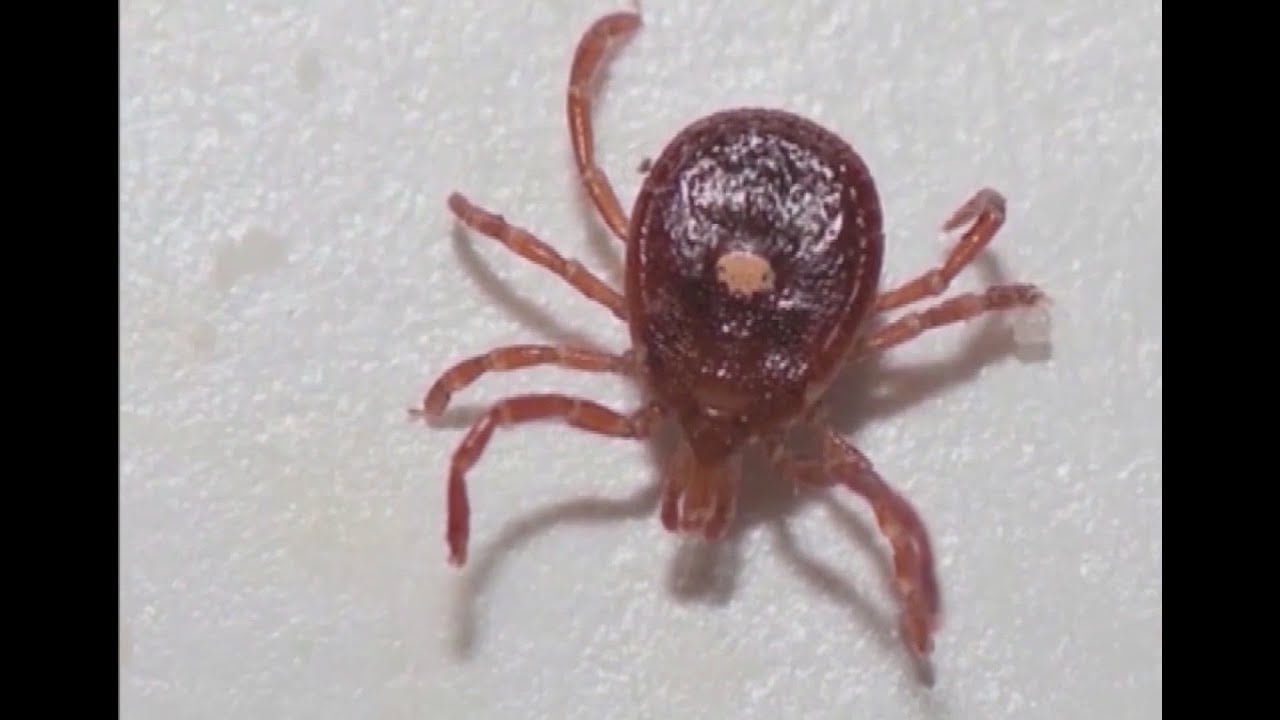
The lone star tick, identifiable by the white spot on the back of adult females, has expanded its range significantly in recent decades. When the larvae of lone star ticks feed on humans, they can sensitize individuals to alpha-gal through their saliva. Even chigger bites from tick larva have been associated with developing this condition, making prevention of any tick bite essential for those living in affected areas.
What Was the First Documented Death from Alpha-Gal Syndrome?
A case study published in 2024 detailed the tragic story of a 47-year-old airline pilot from New Jersey who became the man believed to be 1st known death from alpha-gal syndrome. The 47-year-old man had been bitten by ticks during a camping trip and subsequently developed symptoms consistent with the condition. According to his man’s wife, he experienced allergic symptoms such as rash and digestive issues after consuming red meat.
The fatal incident occurred after the man and his wife had beef steak for dinner. Four hours later, he developed severe abdominal pain occurring alongside other symptoms including nausea or vomiting. Despite medical intervention, he suffered fatal anaphylaxis. The autopsy report revealed elevated tryptase levels, a marker of severe allergic reactions, and blood samples confirmed he had antibodies to alpha-gal. Dr. Platts-Mills from the University of Virginia, a leading researcher in this field and former chief of UVA’s Division of Asthma, Allergy and Clinical Immunology, reviewed the case and confirmed it as the first documented death linked to alpha-gal syndrome.
The wife said her husband had experienced bites around his ankles during their camping trip two weeks later before the symptoms began. The 47-year-old had reported abdominal discomfort and other issues after eating a hamburger on a previous occasion, suggesting multiple exposures before the deadly anaphylaxis occurred. This case study highlights how the death was ruled as sudden unexplained death initially, until the autopsy connected the cause of death to the extreme reaction triggered by his red meat allergy.
How Common Is Alpha-Gal Syndrome According to the CDC?
The Centers for Disease Control and Prevention (CDC) has identified alpha-gal syndrome as an emerging public health concern, though the actual number of cases remains uncertain due to underdiagnosis and underreporting. According to CDC data, over 110,000 suspected cases have been identified in the United States since 2010, with numbers rising each year as awareness increases among healthcare providers. However, experts like Platts-Mills believe many cases go unrecognized because the delayed nature of symptoms makes the connection between a tick bite and subsequent allergic reactions difficult to establish.
The CDC notes that alpha-gal syndrome cases cluster heavily in the southeastern and south-central United States, corresponding with the habitat range of the lone star tick. New York and New Jersey residents face increasing risk as tick populations expand northward, making prevention strategies essential for those spending time outdoors in wooded or grassy areas. The CDC emphasizes that anyone who has been bitten by ticks should monitor for symptoms that develop hours after eating red meat.
Diagnosis requires specific blood testing for alpha-gal antibodies, which many healthcare providers may not routinely order without suspicion of the condition. An allergy specialist with experience in alpha-gal syndrome can provide proper testing and management strategies. The condition can sensitize individuals through multiple exposures, meaning someone might tolerate red meat initially after a tick bite but develop increasingly severe reactions over time, from mild hive formations to life-threatening anaphylaxis requiring emergency treatment.
What Are the Symptoms of a Meat Allergy Triggered by Tick?
Symptoms of meat allergy triggered by tick bites typically appear three to six hours after eating beef, steak, pork, lamb, or other mammalian products. This delayed onset distinguishes alpha-gal syndrome from other food allergies that usually cause immediate reactions. Initial symptoms often include nausea, stomach pain, diarrhea and vomiting, which patients may mistake for food poisoning or digestive issues rather than an allergic response.
As the allergic reaction progresses, more severe manifestations can develop. Patients may experience a rash or hives across their body, severe abdominal pain, difficulty breathing, and potentially life-threatening anaphylaxis. The severity can vary between individuals and even between episodes in the same person. Some people report only mild abdominal discomfort after consuming small amounts of red meat, while others develop severe reactions requiring immediate medical attention. The New Jersey man’s case demonstrated how fatal the condition can become, with his death occurring despite previous tolerance of red meat after initial tick exposure.
Additional factors can influence symptom severity, including the amount of red meat consumed, the fat content of the meat, alcohol consumption, exercise after eating, and the use of certain medications. Some individuals with alpha-gal syndrome can tolerate small amounts of lean meat but react severely to fatty cuts. Understanding these patterns requires careful tracking of symptoms and consultation with an allergy specialist who can help patients identify their specific triggers and risk factors. Anyone experiencing recurrent digestive issues or allergic symptoms hours after eating red meat, especially if they recall being bitten by ticks or having chigger bites, should seek evaluation for alpha-gal syndrome.
How Can You Prevent Tick Bites and Alpha-Gal Syndrome?
Preventing tick bites is the only way to avoid developing alpha-gal syndrome, as there is currently no cure for the condition once it develops. When spending time outdoors in areas where the lone star tick is prevalent, wear long sleeves, long pants, and closed-toe shoes. Tuck pants into socks to create a barrier that prevents ticks from reaching skin. Light-colored clothing makes it easier to spot ticks before they attach.
Use EPA-registered insect repellents containing DEET, picaridin, or oil of lemon eucalyptus on exposed skin and clothing. Treat outdoor gear and clothing with permethrin, which kills ticks on contact and remains effective through multiple washings. After outdoor activities, particularly in wooded areas or tall grass where ticks are common, conduct thorough tick checks on yourself, children, and pets. Pay special attention to hidden areas like the scalp, behind ears, armpits, groin, and behind knees where ticks often attach.
If you find an attached tick, remove it promptly using fine-tipped tweezers, grasping as close to the skin as possible and pulling straight out with steady pressure. Clean the bite area with soap and water or rubbing alcohol. Save the tick in a sealed container with the date and location where it was found, as this information can be valuable if symptoms develop. Monitor the bite site for signs of infection or the characteristic bull’s-eye rash associated with Lyme disease, another serious illness transmitted by ticks.
Why Should New York Area Residents Be Concerned About Alpha-Gal Syndrome?
New York area residents face increasing exposure to the lone star tick as its range continues expanding northward from the southeastern United States. Climate change and ecological factors have enabled these ticks to establish populations throughout the region, making alpha-gal syndrome a growing concern for both city dwellers who visit parks and recreational areas and suburban residents with yards adjacent to wooded spaces.
The condition represents a significant quality of life impact, requiring strict avoidance of red meat and sometimes other mammalian products including dairy, gelatin, and certain medications. For many people, the social and dietary restrictions create substantial challenges, from navigating restaurants to managing family meals. Early diagnosis and proper management by qualified specialists can help patients understand their specific sensitivities and develop strategies to avoid triggering reactions while maintaining nutritional health.
If you’ve been bitten by ticks or experience unexplained allergic reactions hours after eating red meat, don’t wait to seek expert evaluation. At New York Allergy & Sinus Centers, our specialists have extensive experience diagnosing and managing alpha-gal syndrome and other complex allergic conditions. We provide comprehensive testing, personalized treatment plans, and ongoing support to help you safely navigate this challenging condition. Schedule a consultation today or call us at (212) 686-6321 to discuss your symptoms and learn how we can help protect your health and wellbeing.