
Spirometry Testing
A quick, painless lung function test that measures how much air you can breathe in and out—essential for diagnosing and monitoring asthma, COPD, and other respiratory conditions.

- 15-minute test
- Covered by insurance
- Same-Day Diagnosis
What to Expect with Spirometry Testing
Book an appointment
Get tested in our office
Review results & treatment plan
Your allergist will review your spirometry results with you immediately. If results indicate reduced lung function, you may be given a bronchodilator medication and asked to repeat the test to see if airflow improves. Based on your results, your provider will create or adjust your asthma or respiratory treatment plan.
What is Spirometry Testing?
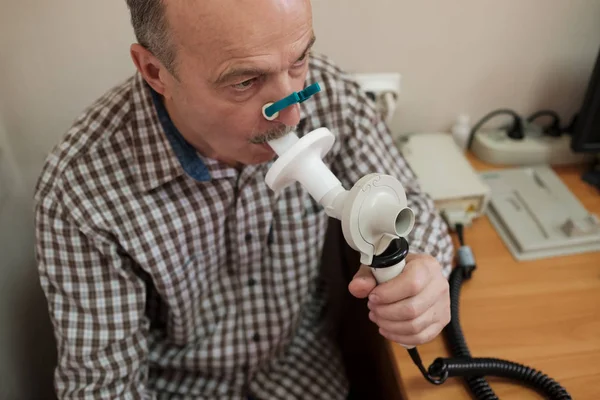
Spirometry is a lung function test that measures the amount of air you can inhale and exhale, as well as how quickly you can expel air from your lungs. This simple, non-invasive test is performed in our office and provides essential information about how well your lungs are functioning.
During a spirometry test, you will breathe into a mouthpiece connected to a device called a spirometer. The test measures two key values: forced vital capacity (FVC), which is the total amount of air you can forcefully exhale after taking a deep breath, and forced expiratory volume (FEV1), which is the amount of air you can exhale in the first second.
Spirometry is the primary test used to diagnose asthma in patients aged 5 and older. It is also used to diagnose chronic obstructive pulmonary disease (COPD), monitor lung function over time, assess the effectiveness of asthma or COPD medications, and evaluate respiratory health before surgery or as part of occupational health screenings.
The test takes just 15 minutes and is completely painless. Most patients can resume normal activities immediately after testing.
Advantages of Spirometry Testing
Spirometry offers crucial diagnostic insights in a quick, safe, and accessible format.
Quick & Painless
Immediate, Objective Results
Essential for Asthma Diagnosis
Tracks Treatment Progress Over Time
Safe for Routine Monitoring
How to Prepare for Spirometry Testing
Spirometry requires minimal preparation, but following a few simple guidelines will help ensure the most accurate results:
- Avoid large meals for at least 2 hours before your test. A full stomach can make it harder to take deep breaths.
- Wear comfortable, loose-fitting clothing that does not restrict your chest or abdomen.
- Avoid vigorous exercise for at least 1 hour before testing, as this can temporarily affect lung function.
- Do not smoke for at least 1 hour before the test. If you are a regular smoker, inform your provider.
- Follow medication instructions carefully. Your allergist may ask you to temporarily stop certain inhalers or bronchodilators before the test, depending on the purpose of your spirometry. Never stop medications without your provider's guidance
Spirometry Testing Frequently Asked Questions
Is Spirometry Testing Painful?
No, spirometry testing is completely painless. The test simply involves breathing into a tube. Some patients may feel slightly dizzy or experience a brief cough during or immediately after the test, but these sensations are temporary and resolve quickly.
How Long Does A Spirometry Test Take?
A standard spirometry test typically takes about 15 minutes from start to finish. If your allergist also performs a bronchodilator response test (where you are given medication and retested), the entire appointment may take 30 to 45 minutes.
Can Children Undergo Spirometry Testing?
Yes, spirometry testing is commonly performed on children aged 5 and older. It is the standard test for diagnosing asthma in school-aged children. For children under 5, other diagnostic methods are typically used, as they may have difficulty performing the breathing maneuvers required for accurate spirometry results.
What Is A Bronchodilator Response Test?
A bronchodilator response test involves performing spirometry before and after you inhale a bronchodilator medication (such as albuterol). If your lung function improves significantly after the medication, it strongly suggests asthma. This test helps confirm that airway obstruction is reversible—a key feature of asthma.
Will I Need To Stop Taking My Asthma Medications Before Spirometry?
It depends on the purpose of your spirometry test. If your allergist is performing the test to diagnose asthma or assess your baseline lung function, they may ask you to temporarily stop certain bronchodilators before the test. However, you should never stop taking your medications without specific instructions from your provider. Always bring a list of your current medications to your appointment.
What Do Abnormal Spirometry Results Mean?
Abnormal spirometry results indicate that your lungs are not functioning at expected levels for someone of your age, height, and gender. Depending on the specific measurements, abnormal results can suggest obstructive lung diseases (like asthma or COPD), restrictive lung diseases, or other respiratory conditions. Your allergist will interpret your results and explain what they mean for your diagnosis and treatment plan.
How Often Will I Need Spirometry Testing?
The frequency of spirometry testing depends on your condition. If you have asthma or COPD, your allergist may recommend spirometry at every visit or several times per year to track your lung function and assess how well your medications are working. For occupational health screening or pre-surgical evaluation, spirometry may be a one-time test.
Is Spirometry Testing Covered By Insurance?
Yes, spirometry testing is typically covered by most insurance plans when performed for diagnostic purposes or to monitor chronic respiratory conditions like asthma or COPD. Our office will verify your coverage before your appointment and help you understand any out-of-pocket costs.