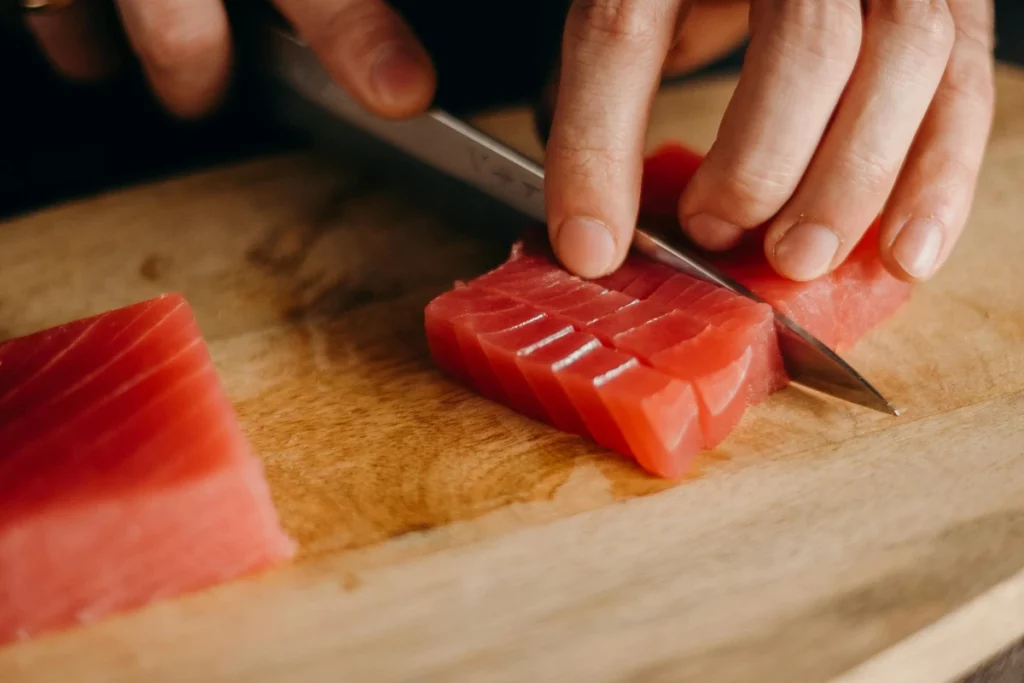
What Is a Tuna Allergy?
Tuna allergy is an immune-mediated reaction that occurs when the immune system identifies proteins in tuna as harmful and produces an allergic response. Tuna is one of the most widely consumed fish in the United States — found in canned goods, sushi, salads, pasta dishes, and restaurant menus — making it one of the more commonly encountered fish allergens in daily life.
Fish allergy as a category affects an estimated 1% of the general population, and tuna is among the fish most frequently implicated in allergic reactions alongside salmon, cod, and halibut. Unlike many childhood food allergies, fish allergy typically persists into adulthood and is rarely outgrown.
The primary allergen responsible for tuna allergy is a muscle protein called parvalbumin. Parvalbumin is present across a wide range of fish species and is highly heat-stable, meaning it retains its allergenic properties even after cooking. This distinguishes fish allergy from some other food allergies where cooking can reduce reactivity. A second protein, enolase, has also been identified as an allergen in tuna specifically and may contribute to reactions in some individuals.
Because parvalbumin is shared across many fish species, individuals allergic to tuna frequently cross-react with other finned fish. However, cross-reactivity is not universal — parvalbumin varies in structure between fish species, and some individuals allergic to one fish can tolerate others without issue. An allergist can help determine your specific pattern of reactivity through targeted testing.
It is also important to distinguish a tuna allergy from scombroid fish poisoning, a form of food poisoning that mimics an allergic reaction. Scombroid poisoning occurs when tuna or other dark-meat fish are improperly stored and bacteria break down histidine in the fish into histamine. Symptoms — flushing, hives, nausea — can resemble an allergic reaction but are not immune-mediated. An allergist can help differentiate between the two.
Tuna Allergy Symptoms
Tuna allergy symptoms typically develop within minutes to a couple of hours after consuming tuna or products containing tuna. Symptoms can range from mild to life-threatening and may include:
- Skin rash or flushing
- Hives
- Itching or tingling in the mouth or throat
- Swelling of the lips, tongue, or face
- Nasal congestion or runny nose
- Watery or itchy eyes
- Wheezing or shortness of breath
- Stomach cramps
- Nausea or vomiting
- Diarrhea
- Dizziness or lightheadedness
- Anaphylaxis in severe cases
Anaphylaxis is a potentially life-threatening reaction that requires immediate emergency treatment with epinephrine. Symptoms of anaphylaxis can include a sudden drop in blood pressure, rapid or weak pulse, severe breathing difficulty, and loss of consciousness.
Fish That Cross-React With Tuna
Because parvalbumin is found across many fish species, individuals with tuna allergy are often advised to avoid other finned fish until cross-reactivity has been assessed by an allergist. Fish commonly associated with cross-reactivity include:
- Salmon
- Cod
- Halibut
- Mackerel
- Sardine
- Anchovies
- Swordfish
- Mahi-mahi
- Tilapia
- Trout
It is worth noting that shellfish — such as shrimp, crab, and lobster — are not finned fish and do not contain parvalbumin. A tuna allergy does not automatically indicate a shellfish allergy, as the two involve different allergenic proteins.
Tuna Allergy Diagnosis
Diagnosis of tuna allergy is carried out by an allergist using a combination of clinical history and allergy testing.
Skin Prick Test
A skin prick test involves applying a small amount of tuna allergen extract to the skin, which is then lightly pricked. A raised, itchy wheal at the test site within 15–20 minutes is a positive indicator of sensitization to tuna.
Blood Test
A blood test measures specific IgE antibodies to tuna and, in some cases, to individual allergenic proteins such as parvalbumin. Component-resolved testing can provide additional detail about the likely severity of reactivity and cross-reactivity patterns with other fish.
Oral Food Challenge
In some cases, an allergist may recommend an oral food challenge to confirm or rule out a tuna allergy, or to assess whether specific other fish can be safely consumed. This is carried out under medical supervision in a clinical setting where any reaction can be managed promptly.
Tuna Allergy Treatment
Avoidance
Strict avoidance of tuna and products containing tuna is the primary management strategy. Tuna is a named major allergen under US labeling law and must be declared on packaged food labels. However, cross-contamination is a risk in restaurants, fish markets, and facilities that process multiple fish species, so vigilance when eating out is essential.
Hidden sources of tuna to be aware of include Caesar salad dressings, certain pasta sauces, Worcestershire sauce, and fish stocks or broths.
Antihistamines
For mild reactions following accidental exposure, antihistamines can be given after epinephrine administration to help block the histamine-mediated portion of an allergic reaction. They should not be depended on as a standalone treatment for fish allergies.
Epinephrine
Individuals with a history of severe tuna allergy reactions should carry an epinephrine auto-injector (such as an EpiPen, Auvi-Q, or neffy intranasal epinephrine) at all times. Epinephrine is the first-line emergency treatment for anaphylaxis and should be administered immediately if a severe reaction occurs, followed by a call to emergency services.
If you are in the NYC area and suspect a tuna or fish allergy, our allergists can provide comprehensive testing and a tailored management plan. Book an appointment online or call (212) 686-6321.
Tuna Allergy Frequently Asked Questions
Is Tuna Allergy the Same as a Fish Allergy?
Tuna allergy is a specific type of fish allergy. Some individuals are allergic to tuna specifically while being able to tolerate other fish, while others react to a broad range of finned fish. Allergy testing can determine your individual reactivity pattern.
Can You Be Allergic to Canned Tuna but Not Fresh Tuna?
Some individuals report differences in reactivity between canned and fresh tuna. The canning process involves heat treatment and may alter some allergenic proteins. However, parvalbumin is highly heat-stable and is unlikely to be fully denatured by the canning process. Any perceived difference in reactivity should be assessed by an allergist rather than used as a guide for safe consumption.
What Is Scombroid Poisoning and How Is It Different From a Tuna Allergy?
Scombroid poisoning occurs when tuna or other dark-meat fish are improperly refrigerated after being caught, allowing bacteria to convert histidine in the fish muscle into histamine. This produces allergy-like symptoms including flushing, hives, and nausea, but it is not an immune-mediated allergic reaction. Scombroid poisoning typically affects multiple people who ate the same fish at the same time, which can help distinguish it from a true allergy. An allergist can help clarify which is occurring.
Is Tuna Allergy Outgrown?
Fish allergy, including tuna allergy, is one of the food allergies least likely to be outgrown. While some children do develop tolerance over time, the majority of individuals with fish allergy carry it into adulthood. Regular review with an allergist is recommended to reassess sensitivity over time.
Do I Need to Avoid All Fish if I’m Allergic to Tuna?
Not necessarily. Cross-reactivity between fish species varies between individuals, and some people with tuna allergy can tolerate certain other fish. However, blanket avoidance of all finned fish is often recommended as a precaution until an allergist has assessed your individual reactivity through testing.
Can Tuna Allergy Cause Anaphylaxis?
Yes. Fish allergy, including tuna allergy, is one of the leading causes of food-induced anaphylaxis. Individuals with a known tuna allergy and a history of severe reactions should carry epinephrine at all times and have a written emergency action plan in place.