
What is alpha-gal syndrome?
Alpha-gal syndrome is an allergy to a sugar molecule called galactose-alpha-1,3-galactose (alpha-gal). It develops after a tick bite and causes allergic reactions to red meat and other mammalian products.
Most food allergies are triggered by proteins. Alpha-gal is different. It’s a carbohydrate antigen, and that changes how the reaction unfolds in the body, including why it takes so long to show up after eating.
The condition goes by several names: mammalian meat allergy, red meat allergy, alpha-gal allergy, and tick bite meat allergy.
How does a tick bite cause a meat allergy?
Most mammals (cows, pigs, deer, and others) carry alpha-gal on the surface of their cells. Humans and other primates don’t. When a tick that has fed on a mammal bites a human, it introduces alpha-gal into the bloodstream through its saliva.
Tick saliva also contains compounds that push the immune system toward a Th2 response, the same pathway involved in allergic sensitization. The immune system treats alpha-gal as a foreign threat and produces IgE antibodies against it.
After that, eating mammalian meat means ingesting the same molecule the immune system has already flagged. The reaction follows.
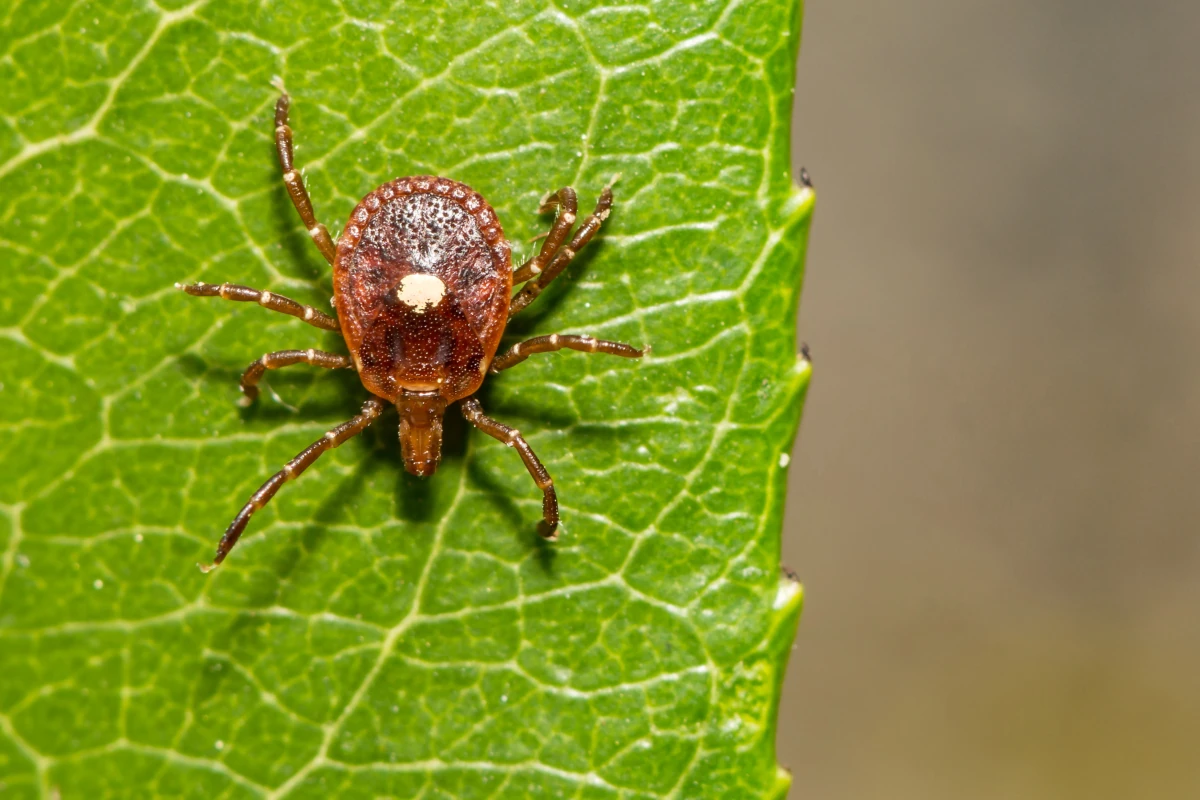
In the US, the lone star tick (Amblyomma americanum) is the most common cause. Black-legged (deer) ticks can also trigger AGS, though less often. Lone star ticks are most common across the South, East, and Central states. New York sees cases every year, and Long Island has some of the highest rates in the state.
Why does the reaction happen hours after eating?
This is probably the most confusing part of alpha-gal syndrome, and a big reason it goes undiagnosed for so long.
With most food allergies, symptoms appear within minutes of eating. Alpha-gal reactions typically start 3 to 6 hours later. The delay is because alpha-gal is carried on lipid-rich molecules that take longer to be absorbed and processed in the gut. A fatty meal slows gastric emptying further, which can push the reaction even later into the night.
People often blame stress, a stomach bug, or something else entirely. Not the red meat they had for dinner three hours earlier.
What foods and products contain alpha-gal?
Alpha-gal is found in meat from mammals and many products made from them. Common triggers include:
- Beef, pork, lamb, and venison
- Dairy products (milk, cheese, butter)
- Gelatin (found in many packaged foods, medications, and supplements)
- Organ meats and other mammalian by-products
Reactions can also come from medications and medical products with mammalian-derived ingredients, including certain IV infusions, antivenoms, and the cancer drug cetuximab. When alpha-gal enters the bloodstream intravenously, the reaction can be immediate rather than delayed.
Not everyone with AGS reacts to the same foods. Some people react to red meat but can still tolerate dairy. Sensitivity varies considerably from person to person.
Symptoms of alpha-gal syndrome
Symptoms typically begin 3 to 6 hours after eating and range from mild to severe. They can include:
- Hives (urticaria)
- Angioedema (swelling of the skin, lips, or throat)
- Nausea, stomach cramping, vomiting, or diarrhea
- Runny nose, sneezing
- Headaches
- Dizziness or faintness
- Anaphylaxis
Anaphylaxis occurs in roughly 60% of people with AGS (higher than most food allergies). If you experience throat tightening, difficulty breathing, or feel faint after eating, get emergency care right away.
If you’ve been prescribed an epinephrine autoinjector, use it immediately. EpiPen, Auvi-Q, and neffy (intranasal epinephrine) are all appropriate options. Antihistamines can help with milder symptoms but won’t stop a severe reaction. Epinephrine comes first.
How is alpha-gal syndrome diagnosed?
Diagnosis starts with a detailed clinical history. The delayed reaction pattern throws a lot of people off, and many patients have been through several rounds of testing for other conditions before anyone considers AGS. A physician who asks specifically about the timing of reactions relative to meals, and about tick exposure, can usually get there faster.
Testing typically includes:
Alpha-gal specific IgE blood test: measures IgE antibodies to alpha-gal in the blood. A positive result, alongside consistent symptoms and a history of tick exposure, is usually enough to confirm the diagnosis.
Skin prick testing: less commonly used for AGS than for protein-based food allergies, but occasionally done.
Medical history review: when symptoms occur (especially overnight reactions), what was eaten beforehand, recent time spent outdoors, and any prior unexplained allergic episodes.
If you’ve had allergic reactions in the middle of the night or early morning, particularly after meals with red meat, bring that up with an allergist. The timing alone is often the first real clue.
How to test for alpha-gal syndrome
The standard test is a blood draw to measure alpha-gal IgE levels. At New York Allergy and Sinus Centers, our physicians can order and interpret this as part of a full allergy evaluation.
There’s no reliable at-home test for AGS. Over-the-counter allergy tests don’t pick up carbohydrate sensitization well enough to be useful.
Management and treatment
There’s no cure for alpha-gal syndrome, but most people manage it well once they know what they’re dealing with.
Avoid mammalian meat and related products. Dietary avoidance is the foundation of management. An allergist can help you work out exactly which foods trigger your reactions, since not everyone reacts to the same things.
Carry an epinephrine autoinjector. Anyone with AGS and a history of severe reactions should have one on them at all times. EpiPen, Auvi-Q, and neffy are all options worth discussing with your doctor.
Avoid further tick bites. This is the most important thing for long-term improvement. Each new bite can push antibody levels back up and reset your sensitivity. People who avoid re-exposure tend to see gradual improvement; people who keep getting bitten often don’t.
Tell your other doctors. Alpha-gal shows up in some medications and IV products. Any physician treating you, particularly in a hospital setting, needs to know about the diagnosis before administering anything mammalian-derived.
How long does alpha-gal syndrome last?
It can last for years, and for some people it doesn’t fully go away. It isn’t necessarily permanent.
About 89% of patients who avoid additional tick bites see their alpha-gal IgE levels fall over time. In one long-running study, around 12% of patients eventually tested negative and were able to eat mammalian meat again. That’s a minority, but it’s not nothing. It’s almost always in people who managed to avoid further tick exposure.
The catch is that re-exposure resets everything. Each new bite can drive antibody levels back up, sometimes higher than before. Someone living in a tick-dense area who spends a lot of time outdoors may be dealing with this for the long term, while someone who successfully avoids bites has a genuine chance of seeing it improve over a few years.
There’s no blood test result that reliably tells you it’s safe to eat red meat again. An allergist should be part of any decision to reintroduce mammalian products.
Is alpha-gal syndrome permanent?
For some people, yes. For others, no. The main factor is whether they get bitten by ticks again.
Avoiding re-exposure gives the immune system the best chance of settling down. Ongoing re-sensitization from new bites is the most common reason people remain reactive long-term.
Does alpha-gal syndrome go away on its own?
It can improve on its own, as long as you’re avoiding tick bites and limiting alpha-gal exposure. The immune response doesn’t reverse fast. Improvement happens over months or years, not weeks. Periodic IgE testing with an allergist is the best way to track where things stand.
How common is alpha-gal syndrome?
Hard to say precisely, because AGS isn’t a federally reportable condition in most US states. Between 2010 and 2022, over 100,000 laboratory-confirmed cases were recorded in the US, but the CDC’s national estimate for the same period is closer to 450,000.
It’s most common where lone star ticks are prevalent (the South, East, and Central US), though the tick’s range has been expanding, and cases are showing up in areas that didn’t historically report them. New York, Long Island in particular, is a well-documented affected area.
Underdiagnosis is a real problem. The delayed reaction pattern, combined with limited awareness in some corners of medicine, means many patients spend years getting the wrong answers before someone figures out what’s actually going on.
When was alpha-gal syndrome discovered?
The link between tick bites and delayed meat allergy was first described around 2009 by Thomas Platts-Mills and colleagues at the University of Virginia. The discovery came partly from looking into why some patients were having severe reactions to cetuximab, a cancer drug that contains alpha-gal. Those patients had high alpha-gal IgE levels, which led researchers to trace the sensitization back to tick bites.
AGS has been recognized as an emerging condition since then, and the research literature has grown considerably over the past 15 years.
Preventing alpha-gal syndrome
The only way to prevent AGS is to avoid tick bites. There’s no vaccine, and once sensitization occurs, it can’t be reversed.
When outdoors:
- Walk in the center of trails, away from tall grass, brush, and leaf litter
- Tuck pants into socks and shirt into pants to minimize exposed skin
- Avoid heavily wooded areas during peak tick season (May through September)
Repellents:
- Apply DEET (20-30%) to exposed skin
- Treat clothing and gear with permethrin. It binds to fabric and holds up through multiple washes
- Reapply as directed, especially after sweating or swimming
After being outside:
- Do a full tick check when you come in: armpits, groin, scalp, behind ears and knees
- Shower within 2 hours of coming indoors
- Tumble dry clothes on high heat for 10 minutes
If you find a tick:
- Remove it with fine-tipped tweezers, gripping as close to the skin as possible
- Pull upward with steady pressure. Don’t twist or crush it
- Clean the bite area with rubbing alcohol or soap and water
- Skip the home remedies: petroleum jelly, heat, and similar approaches don’t work and can make things worse
At home:
- Keep grass mowed short
- Put a wood chip or gravel border between your lawn and any wooded areas
- Check pets when they come inside, as they can bring ticks in without you noticing
See an allergist in NYC
If you’ve had unexplained allergic reactions after eating red meat, especially reactions that come on hours later, overnight, or in the early morning, or you’ve recently had a tick bite and are noticing new sensitivities, we can help.
The allergists at New York Allergy and Sinus Centers see and test for alpha-gal syndrome. Call us at (212) 686-6321 or book an appointment online.
Alpha-gal syndrome and beef allergy are related but not the same condition. Learn more about the difference between the two.