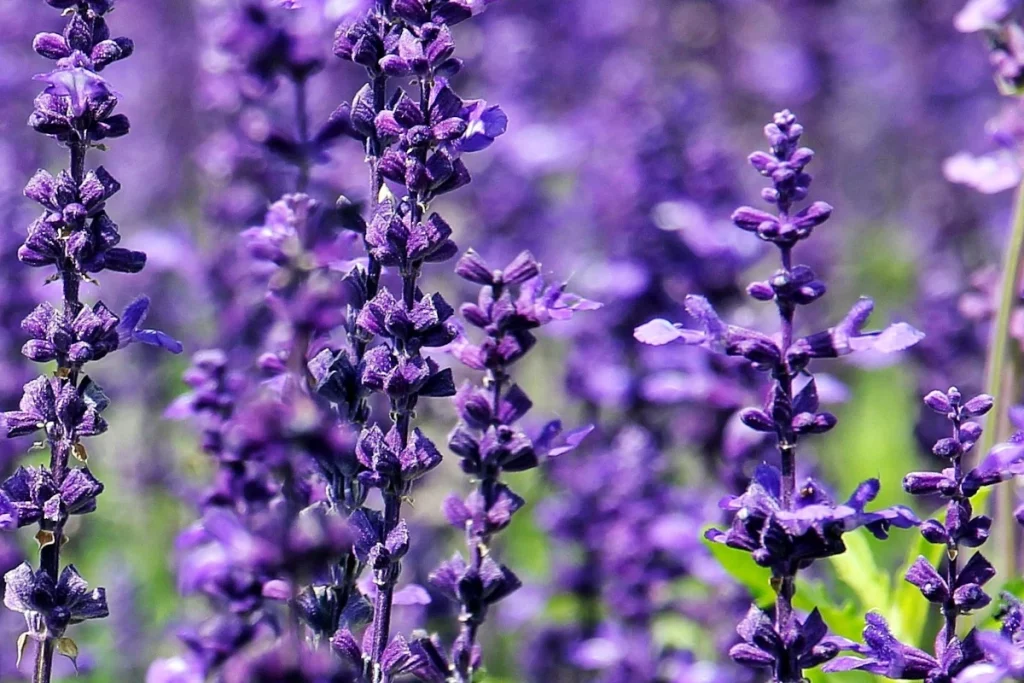
What Is a Lavender Allergy?
Lavender allergy is an immune-mediated or contact hypersensitivity reaction triggered by compounds found in the lavender plant (Lavandula angustifolia) and its derivatives. Lavender is one of the most widely used botanical ingredients in the world, appearing in perfumes, skincare products, soaps, shampoos, candles, cleaning products, aromatherapy oils, herbal teas, and certain foods and food flavorings. This widespread use makes lavender one of the more commonly encountered botanical allergens in everyday life.
Reactions to lavender most frequently occur through skin contact with lavender-containing products, a pattern known as allergic contact dermatitis. However, reactions can also be triggered by inhaling lavender essential oil or airborne particles from lavender plants, and in rarer cases, by ingesting lavender in teas, culinary preparations, or supplements.
The primary allergenic compounds in lavender are found in its essential oil, particularly linalool and linalyl acetate — the terpene constituents responsible for lavender’s characteristic scent. Linalool in particular is a recognized fragrance allergen listed on the European Union’s mandatory fragrance allergen disclosure list. When linalool oxidizes on exposure to air, it becomes significantly more allergenic, which is why older or improperly stored lavender products may cause stronger reactions than fresh ones.
Lavender belongs to the Lamiaceae (mint) family, which also includes plants such as rosemary, thyme, sage, and mint. Individuals sensitized to lavender may occasionally cross-react with other members of this botanical family, though cross-reactivity patterns in this group are less well characterized than in some other plant families.
Those with known fragrance allergy or sensitivity to other botanical essential oils are at higher risk of also reacting to lavender, as sensitization to one fragrance compound often predicts broader fragrance sensitivity.
Lavender Allergy Symptoms
Symptoms of a lavender allergy vary depending on the route of exposure — skin contact, inhalation, or ingestion — and can range from mild localized reactions to more systemic responses.
Skin contact symptoms:
- Red, inflamed, or itchy skin at the site of contact
- Blistering or weeping skin lesions
- Dry, scaly, or thickened skin with repeated exposure
- Contact dermatitis
- Hives (urticaria)
Inhalation symptoms:
- Sneezing
- Runny or congested nose
- Itchy, watery eyes
- Throat irritation
- Worsening of asthma symptoms
- Headaches
Ingestion symptoms (from lavender teas, food, or supplements):
- Mouth tingling or itching
- Nausea
- Stomach discomfort
- In rare cases, more systemic allergic reactions
Anaphylaxis from lavender is rare but has been reported, most commonly in association with concentrated lavender essential oil exposure.
Lavender Allergy Diagnosis
Because lavender appears in such a wide range of products, identifying it as the cause of a reaction requires careful investigation. An allergist will typically use a combination of the following approaches:
Patch Testing
Patch testing is the gold standard for diagnosing allergic contact dermatitis caused by lavender or fragrance compounds. Small amounts of standardized allergens — including fragrance mixes and specific compounds such as linalool — are applied to the skin under adhesive patches and left in place for 48 hours. Results are read at 48 and 96 hours. A positive reaction at a test site indicates contact sensitization to that allergen.
Patch testing is particularly important for lavender allergy because the reaction pattern — delayed, at the site of product application — is characteristic of Type IV (cell-mediated) hypersensitivity rather than the immediate IgE-mediated reaction seen in classic allergies.
Skin Prick Test
A skin prick test may be used when an immediate allergic reaction to lavender is suspected, particularly in cases involving inhalation or ingestion. This test evaluates IgE-mediated sensitization and produces results within 15–20 minutes.
Clinical History and Product Review
A thorough review of the products you use daily — skincare, haircare, detergents, candles, and any supplements — is an important part of diagnosis. Your allergist may ask you to bring in products you use regularly so that ingredients can be reviewed for lavender or fragrance compound content.
Lavender Allergy Treatment
Avoidance
The primary treatment for lavender allergy is identifying and avoiding all products containing lavender or its constituent compounds. This can be more complex than it appears — lavender may be listed under its botanical name (Lavandula angustifolia flower oil or extract), as linalool, linalyl acetate, or simply as “fragrance” or “parfum,” under which many individual fragrance allergens can be concealed.
Switching to fragrance-free products — rather than simply unscented products, which may still contain masking fragrances — is recommended. Your allergist can provide guidance on ingredient lists and safer product alternatives.
Topical Corticosteroids
For active contact dermatitis reactions, topical corticosteroid creams or ointments are used to reduce inflammation, relieve itching, and help the skin heal. The strength and duration of treatment will depend on the severity of the reaction.
Antihistamines
Oral antihistamines can help manage symptoms such as itching, hives, and nasal symptoms following lavender exposure. They are most useful for mild to moderate reactions.
Asthma Management
Individuals with lavender-triggered asthma may require inhaled bronchodilators or corticosteroids during periods of exposure. Avoiding environments with heavy lavender fragrance — spas, aromatherapy studios, or heavily scented retail spaces — is advisable.
Epinephrine
For individuals who have experienced a severe systemic reaction to lavender, carrying an epinephrine auto-injector (such as an EpiPen or Auvi-Q) is recommended as a precaution. While anaphylaxis from lavender is uncommon, it has been documented.
If you are experiencing skin reactions, respiratory symptoms, or other signs of allergy that you suspect may be linked to lavender or fragrance products, our NYC allergists can help identify the cause and guide you toward safer alternatives. Book an appointment online or call (212) 686-6321.
Lavender Allergy Frequently Asked Questions
Is Lavender Allergy Common?
Lavender allergy is more common than many people realize, largely because lavender is present in such a broad range of everyday products. Fragrance allergy in general is one of the most frequent causes of allergic contact dermatitis, and linalool — the primary allergenic compound in lavender — is among the fragrance allergens most often identified in patch test studies. Sensitization rates to linalool have been increasing in line with its growing use across personal care and household products.
Can Lavender Essential Oil Cause a Stronger Reaction Than Lavender in Products?
Yes. Lavender essential oil is a concentrated source of linalool and linalyl acetate, and using it undiluted on skin — a common practice in aromatherapy — significantly increases the risk of sensitization and reaction. Oxidized linalool, which forms when essential oils are exposed to air over time, is considerably more allergenic than fresh linalool. Individuals with known fragrance sensitivity should treat undiluted essential oils with particular caution.
Can You Be Allergic to Lavender but Tolerate Other Fragrances?
Yes, it is possible to be specifically sensitized to lavender or its constituent compounds without reacting to all fragrances. However, fragrance sensitization tends to broaden over time, and individuals sensitized to one fragrance compound are at increased risk of developing further sensitivities. Patch testing can identify exactly which compounds are triggering your reactions.
Does Lavender in Food Cause the Same Reaction as in Skincare Products?
Not necessarily. The mechanism of contact dermatitis involves direct skin exposure, while ingested lavender — in teas, culinary syrups, or supplements — would need to trigger a different immune pathway to cause systemic symptoms. Some individuals with contact sensitivity to lavender can tolerate culinary amounts without issue, while others may experience oral or gastrointestinal symptoms. This should be assessed individually with an allergist.
Can Children Be Allergic to Lavender?
Yes. Lavender is commonly used in baby and child skincare products, and allergic contact dermatitis from lavender has been reported in children. Parents who notice persistent skin redness, rash, or irritation in areas where scented products are applied should consider fragrance allergy as a potential cause and consult an allergist.
Is There a Connection Between Lavender Allergy and Pollen Allergy?
Lavender plants do produce pollen, and airborne exposure during flowering season could theoretically contribute to respiratory symptoms in sensitized individuals. However, lavender pollen is not a major clinical allergen in the way that birch, grass, or ragweed pollen are. The more common pathway for lavender allergy is contact with lavender-derived compounds in manufactured products rather than pollen exposure.