
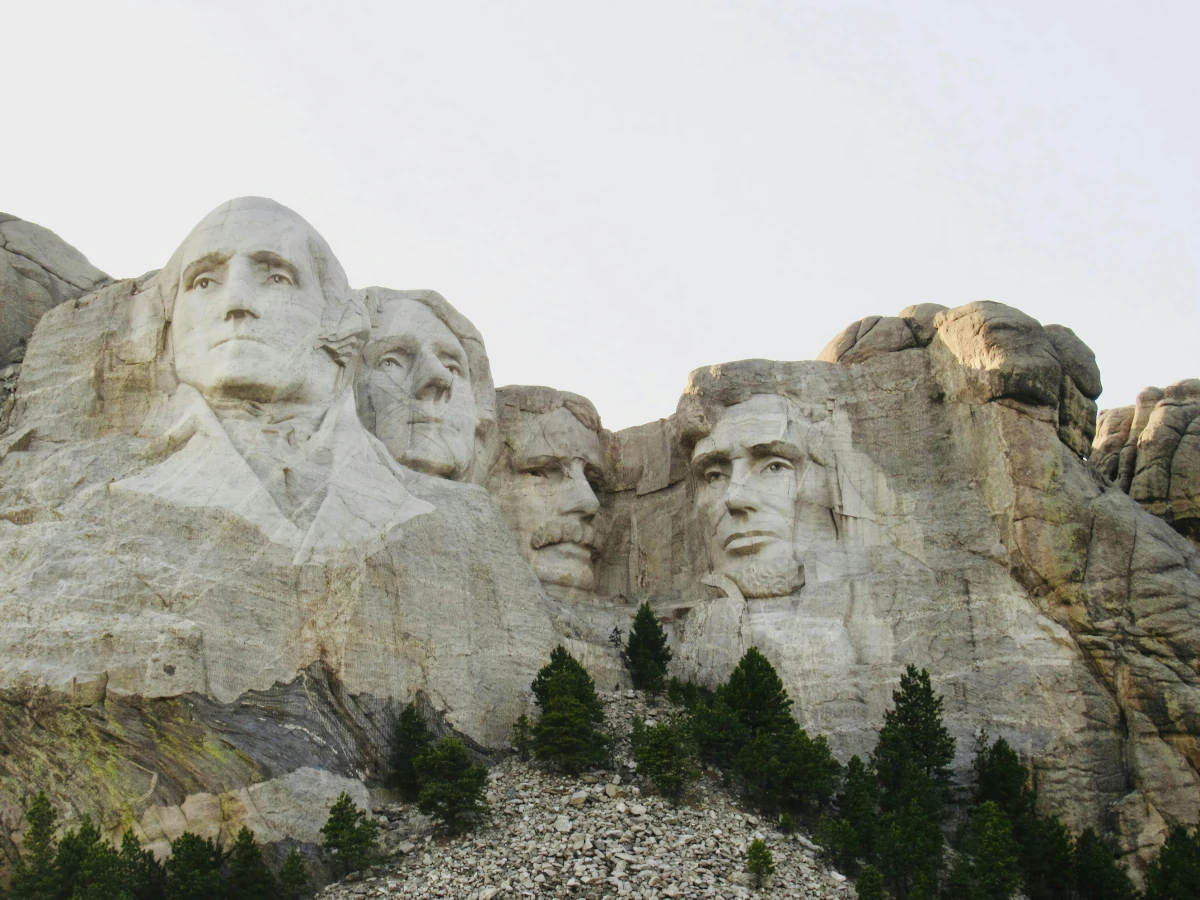
A President’s Day Look at the Commanders-in-Chief Who Faced Airborne Adversaries
When we think of presidential challenges, we often imagine foreign policy crises, economic downturns, or political gridlock. But for many of our nation’s leaders, some of their most persistent battles were fought against an invisible enemy: allergens.
From pollen to peanuts, American presidents have dealt with allergies just like millions of their fellow citizens. Here’s a look at the commanders-in-chief who faced allergic adversaries while leading the nation.
Theodore Roosevelt (26th President)
Theodore Roosevelt, known for his vigorous “strenuous life” philosophy, was actually a frail child with severe, debilitating asthma. Born in 1858 to a wealthy New York family, young “Teedie” was so sick that doctors gently warned his parents not to expect him to reach adulthood.
His father would stay awake with him during nighttime attacks and take him on carriage rides to help him breathe. When Teddy was twelve, his father built him a home gymnasium, where he began lifting weights, doing gymnastics, riding horseback, swimming, hiking, wrestling, and boxing.
While Roosevelt believed he had conquered his asthma through exercise, modern medical research shows he continued to suffer serious asthma exacerbations throughout adolescence and adulthood. His allergies included reactions to dogs, dust, and horses.
Calvin Coolidge (30th President)
President Calvin Coolidge suffered from allergies and asthma attacks but distrusted physicians, choosing to self-treat with medications. He even tried breathing chlorine released into the air of a closed room in a futile attempt to alleviate his asthma.
John F. Kennedy (35th President)
JFK had asthma triggered by allergies to dogs, dust, and horses. Interestingly, the steroids prescribed to treat his Addison’s disease likely also helped control his asthma and allergies.
Kennedy was among the many presidents who dealt with hay fever, one of the most common allergic conditions affecting millions of Americans.
Bill Clinton (42nd President)
President Bill Clinton had significant allergic rhinitis triggered by house dust, mold spores, cat dander, and both weed and grass pollen. Allergy injections were prescribed and well tolerated.
He also had reflux esophagitis, which, combined with his allergies, likely contributed to his notably hoarse voice. In an unfortunate twist, Clinton is also allergic to chocolate, milk, and flour — making desserts particularly challenging for the dessert-loving president.
Joe Biden (46th President)
Joe Biden has dealt with seasonal allergies and sinus congestion for most of his life. He takes the antihistamine Allegra (fexofenadine) to manage his symptoms.
Biden also experienced exercise-induced asthma as a teenager and young adult, which can develop into viral-induced asthma later in life. His medical team has managed these conditions carefully, especially given his history of atrial fibrillation.
Donald Trump (45th and 47th President)
During his 2025 annual physical at age 78, President Donald Trump was diagnosed with well-controlled seasonal allergies. His symptoms are managed with second-generation oral antihistamines and a once-daily intranasal corticosteroid.
His routine outdoor activity on golf courses, where tree pollen is prevalent, likely contributed to his sensitization and symptom development.
Presidential Family Members with Allergies
Allergies have affected not just presidents themselves, but their families too. President Barack Obama’s daughter Malia has a peanut allergy, which he publicly discussed when signing legislation allowing schools to stock epinephrine for severe allergic reactions.
The Common Thread
What these presidents demonstrate is that allergies and asthma don’t discriminate — they affect people across all ages, backgrounds, and even the highest office in the land. According to the American Academy of Allergy, Asthma & Immunology, 10-30% of adults and 40% of children in the United States suffer from allergic rhinitis, equaling almost 60 million people.
From Theodore Roosevelt’s childhood struggles that shaped his “strenuous life” philosophy to modern presidents managing seasonal allergies while running the country, these leaders have shown that chronic conditions need not prevent anyone from achieving greatness.
This President’s Day, as we honor our nation’s leaders, it’s worth remembering that they faced not only political challenges but also personal health battles — and often emerged stronger for it.
While these presidents managed their allergies with varying degrees of success, modern allergy treatments offer more effective and non-invasive options than ever before, from immunotherapy to advanced antihistamines and environmental control strategies.