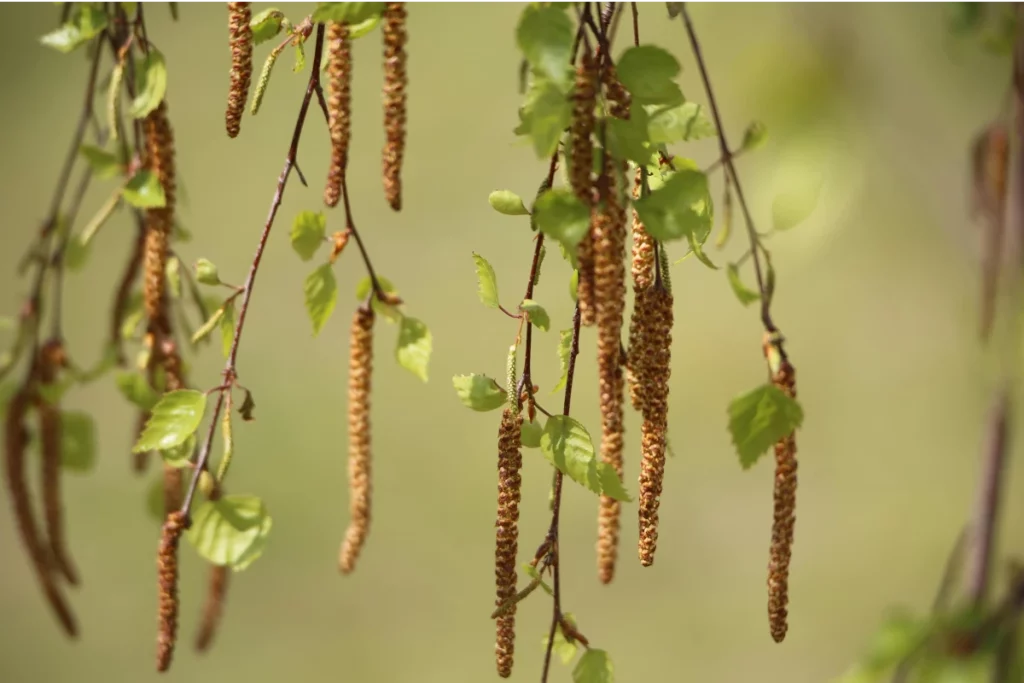
What Is a Birch Pollen Allergy?
Birch pollen allergy is an immune-mediated reaction triggered by the microscopic pollen released by birch trees during their flowering season. It is one of the most prevalent seasonal allergies in the northeastern United States, including New York City, where birch trees are a common urban and suburban fixture. Symptoms typically flare in early spring, when birch trees pollinate — usually between March and May depending on the year and local conditions.
When a sensitized individual inhales birch pollen, the immune system mistakenly identifies it as a threat and produces IgE antibodies against it. On subsequent exposure, these antibodies trigger the release of histamine and other inflammatory chemicals, causing the characteristic symptoms of allergic rhinitis and, in some individuals, asthma.
The primary allergen in birch pollen is a protein called Bet v1. This protein is clinically significant beyond seasonal symptoms because it shares structural similarities with proteins found in a wide range of raw fruits, vegetables, and nuts — a phenomenon known as pollen-food allergy syndrome (PFAS), formerly called oral allergy syndrome. As a result, many people with birch pollen allergy experience mouth tingling or itching when eating certain raw foods, even if they have no true food allergy.
Birch is also closely related to other trees in the Betulaceae family, including alder, hazel, and hornbeam. Individuals allergic to birch pollen frequently cross-react with pollen from these trees as well, which can extend or broaden their symptom season.
Birch Pollen Allergy Symptoms
Birch pollen allergy primarily causes upper respiratory and eye symptoms during the spring pollen season. These include:
- Sneezing
- Runny or stuffy nose
- Itchy, watery, or red eyes
- Nasal congestion
- Post-nasal drip
- Itchy throat or ears
- Fatigue
- Worsening of asthma symptoms
- Coughing
In individuals with pollen-food allergy syndrome, eating raw birch-cross-reactive foods may also trigger:
- Tingling or itching in the mouth and lips
- Mild swelling of the mouth or throat
- Itchy ears
These oral symptoms typically resolve quickly and are usually limited to raw forms of the food — cooking generally destroys the Bet v1-like proteins responsible for the reaction.
Foods That Cross-React With Birch Pollen
One of the distinctive features of birch pollen allergy is its wide range of food cross-reactivities. Foods commonly associated with pollen-food allergy syndrome in birch-sensitized individuals include:
Reactions to these foods tend to worsen during peak birch pollen season when overall allergen load is highest.
Birch Pollen Allergy Diagnosis
Diagnosis of birch pollen allergy is made by an allergist through a combination of clinical history and allergy testing.
Skin Prick Test
A skin prick test is the most common first-line diagnostic tool for birch pollen allergy. A small amount of birch pollen extract is applied to the forearm or back, and the skin is lightly pricked. A raised, itchy wheal at the test site within 15–20 minutes indicates sensitization to birch pollen.
Blood Test
A blood test measuring specific IgE antibodies to birch pollen — and to the Bet v1 protein specifically — can confirm sensitization and help predict the likelihood of pollen-food allergy syndrome. Component-resolved diagnostics (CRD) allow allergists to test for specific molecular components, providing more precise information about cross-reactivity risk.
Clinical History
Because birch pollen allergy is strongly seasonal, a detailed history of when symptoms occur is highly informative. Symptoms that consistently appear in early spring and resolve by late spring or early summer are a strong indicator of tree pollen allergy.
Birch Pollen Allergy Treatment
Antihistamines
Over-the-counter antihistamines are commonly used to manage mild to moderate birch pollen allergy symptoms. They are most effective when taken before peak pollen exposure or at the first sign of symptoms.
Nasal Corticosteroids
Intranasal corticosteroid sprays are considered the most effective daily medication for allergic rhinitis. They reduce nasal inflammation and can significantly improve congestion, runny nose, and post-nasal drip when used consistently throughout the pollen season.
Eye Drops
Antihistamine or mast cell stabilizing eye drops can help manage ocular symptoms including itching, redness, and watering.
Allergen Immunotherapy
Allergy immunotherapy is the only treatment that addresses the underlying cause of birch pollen allergy rather than just managing symptoms. Through a gradual program of increasing allergen exposure — delivered as allergy shots or sublingual drops — the immune system is desensitized to birch pollen over time. Immunotherapy can reduce both the severity of seasonal symptoms and the extent of pollen-food allergy syndrome reactions in many patients.
Pollen Avoidance
While complete avoidance of outdoor pollen is not realistic, certain measures can reduce exposure during peak birch season: keeping windows closed, showering after outdoor activity, wearing sunglasses outside, and monitoring local pollen counts.
If you experience seasonal allergy symptoms in spring or notice mouth tingling when eating raw fruits and nuts, our NYC allergists can help determine whether birch pollen is the cause. Book an appointment online or call (212) 686-6321.
Birch Pollen Allergy Frequently Asked Questions
When Is Birch Pollen Season in New York?
Birch trees typically pollinate between March and May in the New York area, with peak pollen release often occurring in April. Exact timing varies year to year depending on temperature and rainfall. Warm winters can result in an earlier and more intense season.
Is Birch Pollen Allergy the Same as a Tree Allergy?
Birch pollen allergy is a specific type of tree allergy. While many tree allergies overlap — particularly among trees in the same botanical family — being allergic to birch does not necessarily mean you are allergic to all trees. An allergist can test for individual tree pollens to identify your specific triggers.
What Is Pollen-Food Allergy Syndrome?
Pollen-food allergy syndrome (PFAS) occurs when the immune system cross-reacts between pollen proteins and structurally similar proteins in certain raw foods. In birch-sensitized individuals, this most commonly causes mild oral symptoms — tingling, itching, or slight swelling in the mouth — when eating raw apples, stone fruits, hazelnuts, carrots, or celery. Cooking the food typically eliminates the reaction because heat alters the responsible proteins.
Can Birch Pollen Allergy Cause Asthma?
Yes. Birch pollen is a recognized trigger for allergic asthma. Individuals with both asthma and birch pollen sensitization may notice worsening respiratory symptoms during spring pollen season. Effective management of the underlying pollen allergy can help reduce asthma flares.
Does Immunotherapy Work for Birch Pollen Allergy?
Yes, allergen immunotherapy is well-supported for birch pollen allergy and is considered the most effective long-term treatment. Studies have shown that birch pollen immunotherapy not only reduces seasonal rhinitis symptoms but can also decrease the severity of oral symptoms related to pollen-food allergy syndrome.
How Is Birch Pollen Allergy Different From a Grass or Ragweed Allergy?
Birch pollen is released in spring, while grass pollen peaks in late spring to early summer and ragweed dominates in late summer and fall. Each allergen has its own season, its own cross-reactive foods, and its own pattern of symptoms. Some individuals are sensitized to multiple pollen types, which can result in symptoms that persist across much of the year.