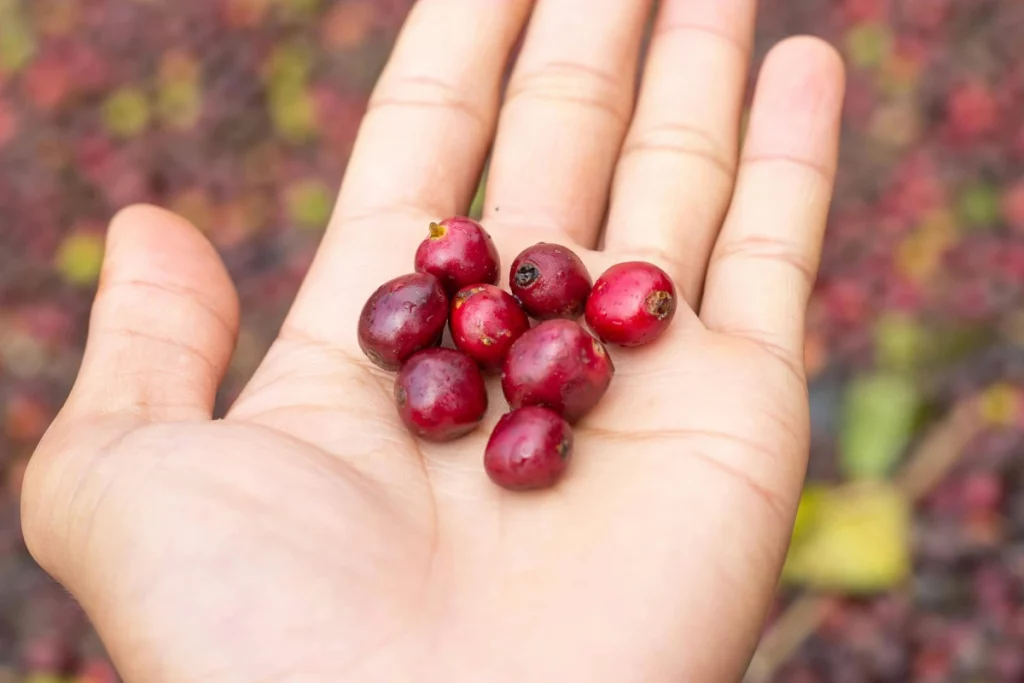
What is a cranberry allergy?
Cranberry allergy is an immune-mediated reaction triggered by proteins found in cranberries (Vaccinium macrocarpon), a small tart berry native to North America and one of the most widely consumed berries in the United States. While cranberry allergy is uncommon, it is a recognized cause of allergic reactions and one that can be easy to miss given how frequently cranberries appear in processed and blended products where they are not always the obvious primary ingredient.
Cranberries belong to the Ericaceae family, which also includes blueberries, lingonberries, bilberries, and huckleberries. Cross-reactivity within this botanical family is documented, and individuals allergic to cranberries may also react to blueberries or other Ericaceae family members. The reverse is equally possible — individuals with a known blueberry allergy should be aware of potential cranberry reactivity.
The allergenic proteins in cranberries are not as fully characterized as those in the major food allergens, but include lipid transfer proteins (LTPs) and various glycoproteins. LTPs are heat-stable and digestion-resistant, meaning they retain allergenic properties in cooked, dried, and processed cranberry products. This is clinically relevant because cranberries are rarely eaten raw — the vast majority of cranberry consumption occurs through cooked or processed forms including juice, sauce, dried cranberries, and extracts.
Beyond direct food reactions, cranberry allergy has an additional consideration that distinguishes it from most other berry allergies: cranberry is widely used in supplement and nutraceutical products, including urinary tract health supplements, antioxidant blends, and herbal formulations. Individuals with cranberry allergy need to review supplement labels with the same care as food labels.
Birch pollen sensitization may also be relevant in some cranberry-reactive individuals, as cross-reactivity between birch pollen proteins and berry proteins has been reported. However, cranberry is not among the most commonly cited birch cross-reactive foods, and pollen-food allergy syndrome is a less consistent feature of cranberry allergy than in some other berry reactions.
Symptoms
Cranberry allergy symptoms typically develop within minutes to a couple of hours of consuming cranberries or cranberry-containing products. They can range from mild to severe and may include:
- Itching or tingling in the mouth, lips, or throat
- Swelling of the lips, tongue, or face (angioedema)
- Hives
- Skin flushing or rash
- Runny nose or sneezing
- Watery or itchy eyes
- Stomach cramps
- Nausea or vomiting
- Diarrhea
- Wheezing or difficulty breathing
- Dizziness or lightheadedness
- Anaphylaxis in severe cases
Contact dermatitis from topical cranberry-containing products — skincare, hair care, and cosmetic formulations increasingly use cranberry seed oil and extract — is also reported and should be considered in individuals who develop skin reactions in areas where such products are applied.
Cranberry juice deserves specific mention. Its high acidity can cause mouth and throat irritation in anyone, which is sometimes mistaken for an allergic reaction. True allergic symptoms involve the immune system and produce a consistent pattern of response across multiple exposures, whereas simple irritation from acidity tends to be more variable and does not produce systemic symptoms such as hives or breathing difficulty.
Foods and products that cross-react with cranberry
Ericaceae family (closest botanical relationship):
- Blueberry
- Lingonberry
- Bilberry
- Huckleberry
Other berries (variable cross-reactivity):
- Strawberry
- Raspberry
- Blackberry
- Gooseberry
Pollen cross-reactive foods (in sensitized individuals):
Products containing cranberry to be aware of:
- Cranberry supplements and urinary tract health capsules
- Antioxidant and berry blend supplements
- Cranberry seed oil in skincare and haircare products
- Herbal teas and wellness drinks
Diagnosis
Clinical history
A detailed history of reactions to cranberry and related berries is the starting point. Your allergist will assess the timing and nature of symptoms, whether reactions occur with both raw and processed cranberry products, and whether there is a background of berry allergy, pollen sensitization, or reactions to related Ericaceae family members.
Skin prick test
A skin prick test can assess sensitization to cranberry proteins. Standardized commercial cranberry extracts are not widely available, so fresh cranberry extract is often used alongside testing for related berries and relevant pollen allergens.
Blood test
A blood test measuring specific IgE antibodies to cranberry can confirm sensitization. Given the limited characterization of individual cranberry allergens, broader berry panels and LTP testing may provide additional useful information in individuals with complex plant food reactivity patterns.
Oral food challenge
Where the diagnosis is uncertain or where a patient wishes to determine whether specific cranberry-containing products can be safely consumed, an oral food challenge may be recommended under direct medical supervision.
Treatment
Avoidance
Strict avoidance of cranberries and cranberry-containing products is the primary management strategy. Cranberry is not a named major allergen under US food labeling law, so it will not always be prominently flagged on food labels. Careful ingredient review is essential, particularly for:
- Cranberry juice and juice blends — cranberry is frequently mixed with apple, grape, or other juices and may be listed as “cranberry juice cocktail” or simply as part of a juice blend
- Dried cranberries in trail mixes, granola, salads, and baked goods
- Cranberry sauce, relish, and preserves
- Seasonal foods around Thanksgiving including stuffing, glazes, and desserts
- Urinary tract health supplements and antioxidant blends
- Herbal teas containing cranberry or berry blends
- Skincare and haircare products containing cranberry seed oil or extract
Antihistamines
Oral antihistamines can be given after epinephrine administration to help block the histamine-mediated portion of an allergic reaction. They should not be depended on as a standalone treatment for food allergies.
Epinephrine
Individuals with a history of severe cranberry allergy reactions or confirmed LTP sensitization should carry an epinephrine auto-injector (such as an EpiPen, Auvi-Q, or neffy intranasal epinephrine) at all times. Epinephrine is the first-line emergency treatment for anaphylaxis and should be used at the first sign of a severe systemic reaction, followed immediately by calling emergency services.
If you are in the NYC area and have experienced reactions to cranberry or related berries, our allergists can provide comprehensive testing and management guidance. Book an appointment online or call (212) 686-6321.
Frequently asked questions
Is cranberry allergy common?
Cranberry allergy is uncommon relative to the major food allergens and is likely underreported. Because cranberries are rarely eaten raw and are most often consumed in blended or processed products, reactions may be attributed to other ingredients. The growing use of cranberry in supplements and topical products adds additional exposure routes that are not always considered when evaluating unexplained allergic reactions.
Can I react to cranberry juice but not dried cranberries?
Different cranberry products present different allergen concentrations and protein profiles depending on how they are processed. Some individuals may notice reactions with certain formats and not others, though this pattern is not consistent or reliable enough to guide safe consumption decisions. Any suspected cranberry reaction should be evaluated by an allergist rather than managed through product substitution.
Is my mouth tingling from cranberry juice an allergic reaction?
Not necessarily. Cranberry juice is highly acidic and can cause mouth and throat tingling or irritation in anyone, regardless of allergy status. True allergic reactions involve the immune system and produce consistent, reproducible symptoms across multiple exposures — including systemic signs such as hives, swelling, or breathing difficulty — rather than localized irritation from acidity alone. An allergist can help determine whether your symptoms represent a true allergy or a non-immune response to cranberry’s acidity.
Do I need to avoid all berries if I am allergic to cranberry?
Not automatically. While cross-reactivity within the Ericaceae family — blueberries, lingonberries, bilberries — is documented, reactivity to other berry families such as strawberries or raspberries is less predictable. Allergy testing for specific berries can guide avoidance decisions rather than a blanket elimination of all berries based on a cranberry diagnosis alone.
Can cranberry supplements cause an allergic reaction?
Yes. Cranberry supplements — commonly used for urinary tract health — contain concentrated cranberry extract and can trigger reactions in cranberry-allergic individuals. Because supplements are not always reviewed with the same scrutiny as food labels, this is an easy source to overlook. Individuals with cranberry allergy should review all supplement labels carefully and inform their healthcare providers of the allergy before starting any new supplement regimen.
Is cranberry allergy related to birch pollen allergy?
Cross-reactivity between birch pollen and cranberry has been reported in some individuals, though cranberry is not among the most commonly cited birch cross-reactive foods. If you have birch pollen allergy and notice oral symptoms when eating cranberry products, pollen-food allergy syndrome is a possible explanation worth discussing with your allergist.