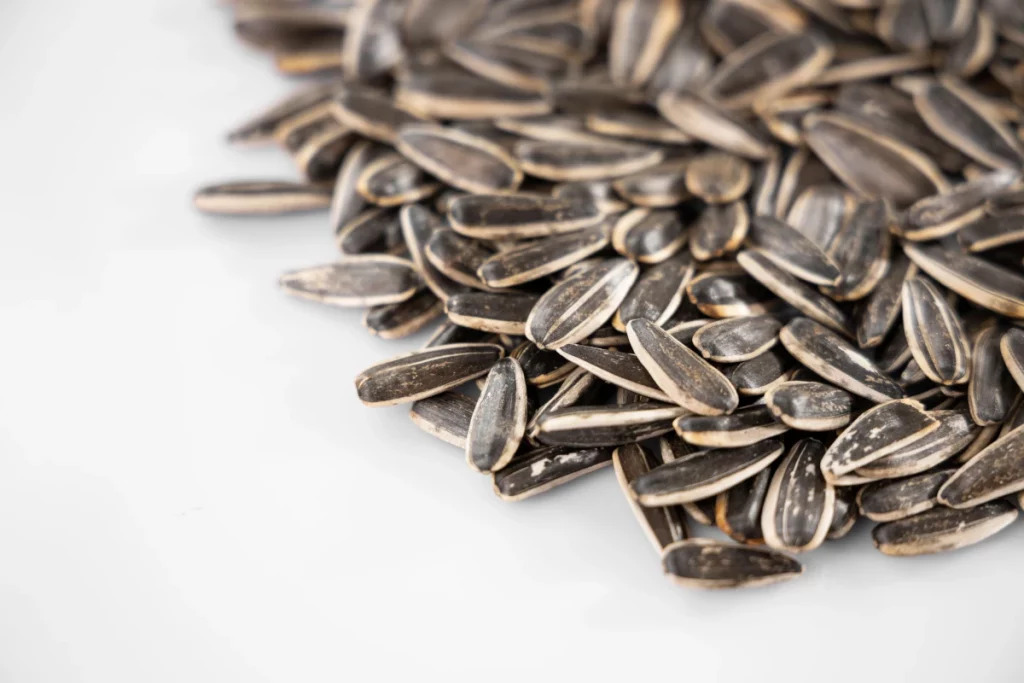
What is a sunflower seed allergy?
Sunflower seed allergy is an immune-mediated reaction triggered by proteins found in the seeds of the sunflower plant (Helianthus annuus). While sunflower seed allergy has historically been considered uncommon in the United States, its clinical significance has grown alongside the dramatic increase in sunflower seed and sunflower product consumption over recent decades. Sunflower seeds are now among the most widely consumed seeds in the US, present not only as a standalone snack food but as an ingredient in breads, granola, trail mixes, protein bars, seed butters, and increasingly as a peanut and tree nut substitute in allergy-friendly food products.
As peanut-free and tree-nut-free policies have become more widespread in schools and food manufacturing, sunflower seed butter and sunflower-based products have been widely adopted as substitutes. Individuals with peanut or tree nut allergies — who may be specifically seeking sunflower-based alternatives — can develop sunflower seed allergy through this increased exposure, making it a clinically relevant condition in the allergy community specifically.
Sunflower seeds belong to the Asteraceae (daisy or composite) family, the same botanical family as ragweed, chamomile, chrysanthemums, marigolds, and echinacea. This family relationship has important implications for cross-reactivity. Individuals with ragweed allergy may be at higher risk of sunflower seed reactivity due to shared proteins between ragweed pollen and sunflower, and sunflower pollen itself is a recognized — though less potent — seasonal allergen.
The primary allergenic proteins in sunflower seeds include 2S albumins (Hel a 1), lipid transfer proteins (Hel a 3), and various seed storage proteins. The 2S albumins in sunflower seeds are heat-stable and resistant to digestion, meaning they retain allergenic properties in roasted, toasted, and processed sunflower products including sunflower oil in some cases. Sunflower oil derived from cold-pressing retains more protein than highly refined sunflower oil, and some individuals with sunflower seed allergy react to cold-pressed oil while tolerating refined sunflower oil without issue.
Sunflower pollen allergy is a distinct but related condition. Sunflower plants release pollen that can trigger seasonal allergic rhinitis and asthma in sensitized individuals, with occupational exposure in agricultural and floristry settings representing a higher-risk route of sensitization.
Symptoms
Sunflower seed allergy symptoms typically develop within minutes to a couple of hours of consuming sunflower seeds or sunflower-containing products. They can range from mild to severe and may include:
- Itching or tingling in the mouth, lips, or throat
- Swelling of the lips, tongue, or face (angioedema)
- Hives
- Skin flushing or rash
- Runny nose or sneezing
- Watery or itchy eyes
- Stomach cramps
- Nausea or vomiting
- Diarrhea
- Wheezing or difficulty breathing
- Dizziness or lightheadedness
- Anaphylaxis in severe cases
Contact dermatitis from handling sunflower seeds or from topical products containing sunflower oil is also reported. Occupational asthma and rhinitis from sunflower pollen or seed dust exposure is a recognized entity among agricultural workers, bakers, and individuals working with bird feed, which commonly contains sunflower seeds.
Foods and products that cross-react with sunflower seeds
Asteraceae family (pollen and botanical cross-reactivity):
- Ragweed pollen
- Chamomile
- Echinacea
- Mugwort pollen
- Chrysanthemum
- Artichoke
- Pumpkin
Other seeds (variable cross-reactivity):
- Sesame
- Poppy seed
- Flaxseed
- Pumpkin seed
Products containing sunflower to be aware of:
- Sunflower seed butter
- Sunflower oil (particularly cold-pressed)
- Breads and baked goods with sunflower seeds or sunflower flour
- Granola, trail mixes, and snack bars
- Bird feed and pet food handling
- Sunflower-containing skincare and cosmetic products
- Herbal teas and supplements containing echinacea or chamomile
Diagnosis
Clinical history
A detailed history of reactions to sunflower seeds and related products is the starting point. Your allergist will assess whether reactions occur with both raw and roasted sunflower seeds, whether sunflower oil has caused any reactions, and whether there is a background of ragweed allergy or other Asteraceae sensitization that may be contributing to the picture.
Skin prick test
A skin prick test can assess sensitization to sunflower seed proteins. Fresh sunflower seed extract may be used alongside commercial extracts where available. Simultaneous testing for ragweed, mugwort, and related Asteraceae allergens is typically performed to assess the full cross-reactivity pattern.
Blood test
A blood test measuring specific IgE antibodies to sunflower seed proteins — including Hel a 1 and Hel a 3 — can confirm sensitization and provide useful information about likely reaction severity. Elevated IgE to Hel a 3, the lipid transfer protein, is associated with a higher risk of systemic reactions.
Oral food challenge
Where test results are ambiguous or where the clinical history requires formal characterization, an oral food challenge may be recommended under direct medical supervision.
Treatment
Avoidance
Strict avoidance of sunflower seeds and products containing them is the primary management strategy. Sunflower seed is not currently listed as a named major allergen under US food labeling law, so it will not always be prominently flagged on labels. Careful ingredient review is essential, particularly for:
- Breads, rolls, and baked goods containing sunflower seeds or sunflower flour
- Granola, trail mixes, cereals, and snack bars
- Sunflower seed butter used as a peanut butter alternative
- Multigrain and seeded crackers
- Cold-pressed sunflower oil in dressings, dips, and cooking oils
- Protein bars and sports nutrition products
- Bird feed and wild bird seed mixes — handling these can cause contact or inhalation reactions in sensitized individuals
- Skincare and cosmetic products containing sunflower seed oil or extract
For individuals allergic to sunflower seeds who use sunflower-based products as a peanut or tree nut substitute, transitioning to a different safe alternative — such as oat-based or hemp-based products — should be discussed with an allergist.
Sunflower oil and refined versus cold-pressed
Highly refined sunflower oil has most proteins removed during processing and is often tolerated by sunflower seed-allergic individuals. Cold-pressed or expeller-pressed sunflower oil retains more protein and is more likely to cause reactions. Whether refined sunflower oil is safe for a specific individual should be assessed by an allergist rather than assumed.
Antihistamines
Oral antihistamines can be given after epinephrine administration to help block the histamine-mediated portion of an allergic reaction. They should not be depended on as a standalone treatment for food allergies.
Epinephrine
Individuals with a history of severe sunflower seed reactions or confirmed LTP sensitization should carry an epinephrine auto-injector (such as an EpiPen, Auvi-Q, or neffy intranasal epinephrine) at all times. Epinephrine is the first-line emergency treatment for anaphylaxis and should be used at the first sign of a severe systemic reaction, followed immediately by calling emergency services.
If you are in the NYC area and have experienced reactions to sunflower seeds or related products, our allergists can provide comprehensive testing and a tailored management plan. Book an appointment online or call (212) 686-6321.
Frequently asked questions
Is sunflower seed allergy becoming more common?
There is growing clinical evidence that sunflower seed allergy is increasing in prevalence, driven in part by the widespread adoption of sunflower seed butter and sunflower-based products as alternatives in peanut-free and tree-nut-free settings. Increased and earlier exposure to sunflower proteins — particularly in school-age children already managing other food allergies — is thought to be a contributing factor.
Can I use sunflower seed butter if I have a peanut allergy?
Not without first being evaluated for sunflower seed allergy. Sunflower seed butter is widely recommended as a peanut butter alternative, but individuals with peanut allergy are not automatically safe with sunflower seeds, and some develop sunflower seed allergy through increased exposure to these substitute products. An allergist can assess your individual reactivity before you incorporate sunflower seed butter as a regular alternative.
Is sunflower oil safe if I have a sunflower seed allergy?
Highly refined sunflower oil has most allergenic proteins removed and is often tolerated by sunflower seed-allergic individuals. Cold-pressed or minimally processed sunflower oil retains more protein and carries a higher risk of reaction. Whether any form of sunflower oil is safe for you specifically should be determined in consultation with your allergist rather than assumed based on general guidance.
Can ragweed allergy cause a sunflower seed reaction?
Ragweed and sunflower belong to the same Asteraceae botanical family and share some protein similarities. Individuals with ragweed allergy may show sensitization to sunflower pollen or seeds through this cross-reactivity, and some may experience oral symptoms when eating sunflower seeds during or around ragweed season. If you have ragweed allergy and notice symptoms after eating sunflower seeds, discuss this with your allergist.
Can I react to sunflower seeds in bird feed?
Yes. Handling bird feed containing sunflower seeds can trigger contact skin reactions or inhalation reactions in sensitized individuals. This is a less obvious exposure route that is worth considering if you have unexplained hand or respiratory symptoms after handling bird or pet feed products.
Is sunflower seed allergy related to sesame allergy?
Cross-reactivity between sunflower seeds and sesame has been reported in some individuals, though it is not as consistently observed as cross-reactivity within the Asteraceae family. Both are seeds with LTP allergens, which may account for some overlap in sensitization. If you have a confirmed sesame allergy, your allergist may recommend testing for sunflower seed reactivity as part of a broader seed allergy evaluation