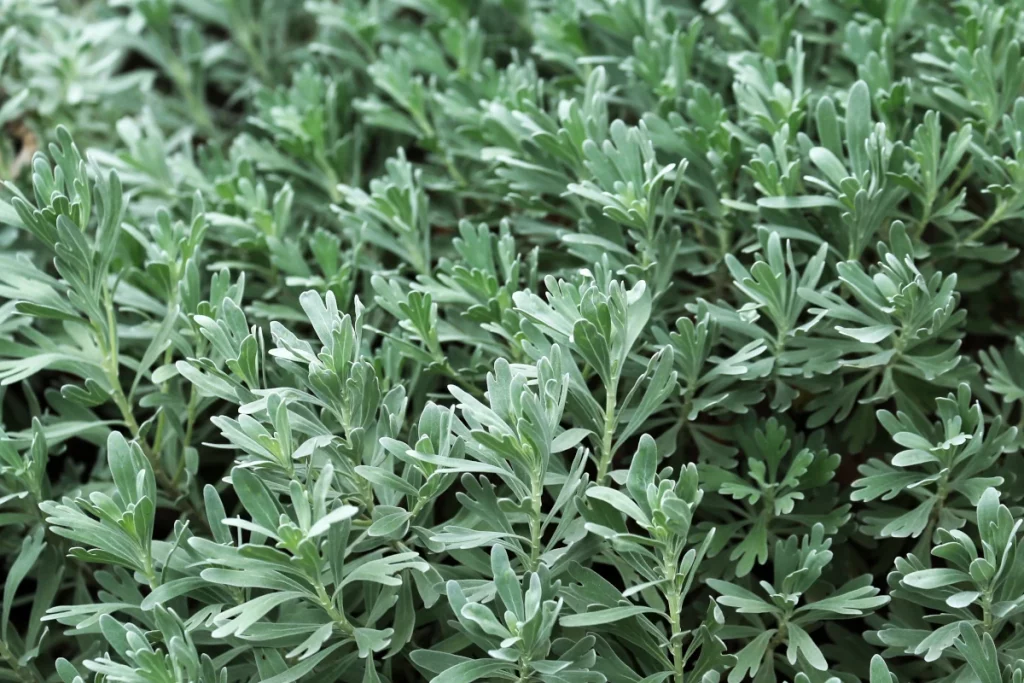
What is a mugwort allergy?
Mugwort allergy is an immune-mediated reaction triggered by the pollen released by mugwort plants (Artemisia species), a group of flowering weeds that pollinate in late summer and early fall. Mugwort is one of the most clinically significant weed pollens in the Northern Hemisphere and a major cause of seasonal allergic rhinitis and asthma across Europe, Asia, and increasingly in the United States. In the New York area, mugwort pollinates from approximately July through September, overlapping with and often compounding ragweed season.
Mugwort belongs to the Asteraceae (daisy or composite) family, the same botanical family as ragweed, chamomile, chrysanthemums, marigolds, sunflowers, and echinacea. Individuals sensitized to mugwort frequently show cross-reactivity with other Asteraceae family members, and the overlap with ragweed sensitization is particularly common — many patients in the northeastern United States are co-sensitized to both, producing a prolonged late summer and fall symptom season that can be difficult to distinguish from a single allergen source without targeted testing.
The primary allergen in mugwort pollen is Art v1, a defensin-like protein found in the pollen coat. A second important allergen, Art v3, is a lipid transfer protein (LTP) that is clinically significant because it is associated with more severe systemic reactions and because LTPs are found across a wide range of plant foods — making Art v3 sensitization a driver of broad food cross-reactivity in mugwort-allergic individuals.
Mugwort allergy has particular clinical significance beyond its seasonal respiratory effects because of its central role in food cross-reactivity. Mugwort pollen sensitization is the primary driver of celery-carrot-mugwort-spice syndrome — a well-characterized cross-reactivity cluster in which individuals sensitized to mugwort develop reactions to celery, carrot, fennel, and a broad range of Apiaceae family spices. This syndrome makes mugwort allergy one of the most consequential pollen allergies from a dietary management standpoint.
Mugwort also cross-reacts with peach and other Rosaceae family fruits through shared LTP sensitization, and with a range of other plant foods through profilin cross-reactivity. In regions with high mugwort exposure, it is one of the most common drivers of pollen-food allergy syndrome after birch pollen.
Symptoms
Mugwort allergy produces seasonal respiratory and ocular symptoms during its late summer pollination period. In individuals with food cross-reactivity, oral symptoms may also occur year-round when eating cross-reactive foods, with worsening during peak mugwort season.
Seasonal respiratory and ocular symptoms:
- Sneezing
- Runny or congested nose
- Itchy, watery, or red eyes
- Post-nasal drip
- Itchy throat or ears
- Coughing
- Fatigue
- Worsening of asthma symptoms including wheezing and chest tightness
- Dark circles under the eyes
Pollen-food allergy syndrome symptoms (cross-reactive foods):
- Itching or tingling in the mouth, lips, or throat
- Mild swelling of the lips or tongue
- Itchy ears
- Symptoms typically confined to the mouth and throat
- Usually resolves quickly after swallowing or removing the food
- Often more pronounced during peak mugwort season in late summer
In Art v3 (LTP)-mediated allergy:
- More systemic reactions including hives, angioedema, and in severe cases anaphylaxis are possible with cross-reactive foods
- Both raw and cooked forms of cross-reactive foods may trigger reactions
Celery-carrot-mugwort-spice syndrome
Celery-carrot-mugwort-spice syndrome is the most clinically important food cross-reactivity pattern associated with mugwort allergy. It describes the co-sensitization to celery, carrot, and a range of Apiaceae family spices that occurs in mugwort-sensitized individuals through shared protein structures between mugwort pollen and these plant foods.
Foods consistently implicated in this syndrome include:
Apiaceae family vegetables:
Apiaceae family spices:
- Anise
- Coriander and cilantro
- Cumin
- Caraway
- Dill
- Spice blends containing these ingredients
Reactions within this cluster tend to be more pronounced during peak mugwort pollen season in late summer when overall allergen burden is highest. Individuals who notice worsening food reactions in July through September — particularly to celery, carrot, or spiced foods — should consider mugwort sensitization as a contributing factor.
Other foods that cross-react with mugwort
Beyond the celery-carrot-mugwort-spice cluster, mugwort sensitization has been associated with cross-reactivity to a broader range of foods through LTP and profilin pathways:
Rosaceae family fruits (LTP cross-reactivity):
Other foods (variable cross-reactivity):
- Mango
- Kiwi
- Peanut
- Mustard
- Sunflower seeds
- Chamomile tea
- Echinacea supplements
Asteraceae family cross-reactivity:
- Ragweed pollen
- Chamomile
- Chrysanthemum
- Marigold
- Echinacea
- Sunflower
Diagnosis
Clinical history
A detailed history is central to mugwort allergy diagnosis. Your allergist will assess the timing and pattern of seasonal symptoms, whether symptoms consistently appear in late summer and overlap with ragweed season, whether any foods have triggered oral or systemic reactions, and whether reactions to celery, carrot, or spices worsen during late summer. The seasonal pattern and food cross-reactivity picture together are often highly informative before any testing is performed.
Skin prick test
A skin prick test is the most common first-line diagnostic tool for mugwort allergy. A small amount of mugwort pollen extract is applied to the forearm or back and the skin is lightly pricked. A raised, itchy wheal at the test site within 15 to 20 minutes indicates sensitization. Simultaneous testing for ragweed and other Asteraceae pollens is typically performed given the frequency of co-sensitization. Testing for cross-reactive foods including celery, carrot, and relevant spices may also be conducted to map the full clinical picture.
Blood test
A blood test measuring specific IgE antibodies to mugwort pollen — and to Art v1 and Art v3 specifically — can confirm sensitization and provide important information about cross-reactivity risk. Elevated IgE to Art v3, the LTP allergen, indicates a higher risk of systemic food reactions and broader plant food cross-reactivity beyond the Apiaceae cluster.
Component-resolved diagnostics
Component-resolved testing for Art v1 and Art v3 is particularly valuable in mugwort allergy because the two proteins carry different clinical implications. Art v1 sensitization drives the classic seasonal rhinitis picture and the celery-carrot-mugwort-spice syndrome food reactions. Art v3 sensitization indicates LTP-driven cross-reactivity with a broader range of plant foods and a higher risk of systemic reactions. Distinguishing between the two helps guide dietary management and emergency preparedness.
Treatment
Antihistamines
Second-generation H1 antihistamines are commonly used to manage mild to moderate mugwort pollen allergy symptoms during the late summer season. Starting antihistamines one to two weeks before mugwort season begins can help establish baseline symptom control before pollen levels peak.
Nasal corticosteroids
Intranasal corticosteroid sprays are the most effective daily medication for mugwort-induced allergic rhinitis. Used consistently throughout the season — ideally beginning before peak pollen release — they reduce nasal inflammation and significantly improve congestion, runny nose, and post-nasal drip.
Eye drops
Antihistamine or mast cell stabilizing eye drops provide targeted relief for ocular symptoms during mugwort season.
Allergen immunotherapy
Allergy immunotherapy is the only treatment that addresses the underlying immune response to mugwort rather than managing symptoms. Through a gradual program of increasing allergen exposure — delivered as allergy shots or sublingual drops — the immune system is desensitized to mugwort pollen over time. Immunotherapy can reduce both seasonal symptom severity and the extent of pollen-food allergy syndrome reactions in cross-reactive foods, including improvements in celery-carrot-mugwort-spice syndrome.
Pollen avoidance
While complete avoidance of mugwort pollen is not realistic, certain measures can reduce exposure during peak season: keeping windows closed, showering after outdoor activity, wearing wraparound sunglasses outside, and monitoring local pollen counts. Mugwort pollen counts are highest on warm, dry, windy days and lowest after rainfall.
Dietary management
For individuals with celery-carrot-mugwort-spice syndrome, avoiding or reducing intake of cross-reactive foods during peak mugwort season — when reactions tend to be most pronounced — can help manage food-related symptoms. The extent of year-round dietary restriction depends on individual sensitivity levels and whether reactions occur outside of pollen season as well. An allergist can guide dietary decisions based on testing results and clinical history.
If you experience late summer seasonal allergy symptoms or notice reactions to celery, carrots, or spices that worsen in summer, our NYC allergists can determine whether mugwort is a factor and build a treatment plan tailored to your needs. Book an appointment online or call (212) 686-6321.
Frequently asked questions
When is mugwort season in New York?
Mugwort pollinates from approximately July through September in the New York area, with peak pollen release typically occurring in August. This overlaps significantly with ragweed season, which peaks in early to mid-September. Individuals sensitized to both pollens can experience an extended late summer and fall symptom season that runs from July through October. Pollen counts are highest on warm, dry, windy days.
Is mugwort allergy the same as ragweed allergy?
No, though the two are closely related. Both mugwort and ragweed are weed pollens in the Asteraceae family that peak in late summer and fall, and co-sensitization to both is common. However, they are distinct allergens with different protein profiles, and being allergic to one does not automatically mean you are allergic to the other. Targeted allergy testing can determine which weed pollens are driving your symptoms.
What is celery-carrot-mugwort-spice syndrome?
It is a cross-reactivity cluster in which individuals sensitized to mugwort pollen develop reactions to celery, carrot, fennel, and a range of Apiaceae spices including anise, coriander, cumin, and caraway. The syndrome reflects shared protein structures between mugwort pollen and these plant foods. Reactions typically worsen during peak mugwort season. If you have been diagnosed with mugwort allergy and notice reactions to celery, carrot, or spiced foods, discussing the full cross-reactivity picture with your allergist is recommended.
Can mugwort allergy cause reactions to chamomile tea?
Yes. Chamomile is a member of the Asteraceae family and shares protein similarities with mugwort. Chamomile tea reactions in mugwort-allergic individuals are well documented and can range from mild oral symptoms to more systemic reactions in highly sensitized individuals. Echinacea, another Asteraceae family plant widely used as a supplement, carries the same cross-reactivity risk. Mugwort-allergic individuals should approach chamomile tea and echinacea supplements with caution and discuss their use with an allergist.
Does immunotherapy help with mugwort allergy?
Yes. Allergen immunotherapy is well supported for mugwort pollen allergy and is considered the most effective long-term treatment. It can reduce both the severity of seasonal rhinitis symptoms and the extent of pollen-food allergy syndrome reactions in cross-reactive foods. Immunotherapy requires a multi-year commitment but can produce lasting reductions in symptom severity and medication need beyond the treatment period.
Can mugwort allergy develop in adulthood?
Yes. Like other pollen allergies, mugwort allergy can develop at any age, including in adults with no prior history of seasonal allergy. New-onset late summer symptoms in an adult — particularly when accompanied by reactions to celery, carrot, or spices — should be formally evaluated by an allergist rather than managed with over-the-counter medications without a confirmed diagnosis.
Is mugwort used in any foods or supplements I should be aware of?
Yes. Mugwort is used in traditional Asian cuisines — particularly in Korean, Japanese, and Chinese cooking — as an herb and flavoring. It appears in Korean rice cakes (tteok), Japanese mochi, and various herbal teas and traditional medicine preparations. Mugwort-allergic individuals should be aware of these culinary uses and approach mugwort-containing foods with the same caution as other cross-reactive allergens. Mugwort is also used in some herbal supplement blends and traditional medicine formulations.