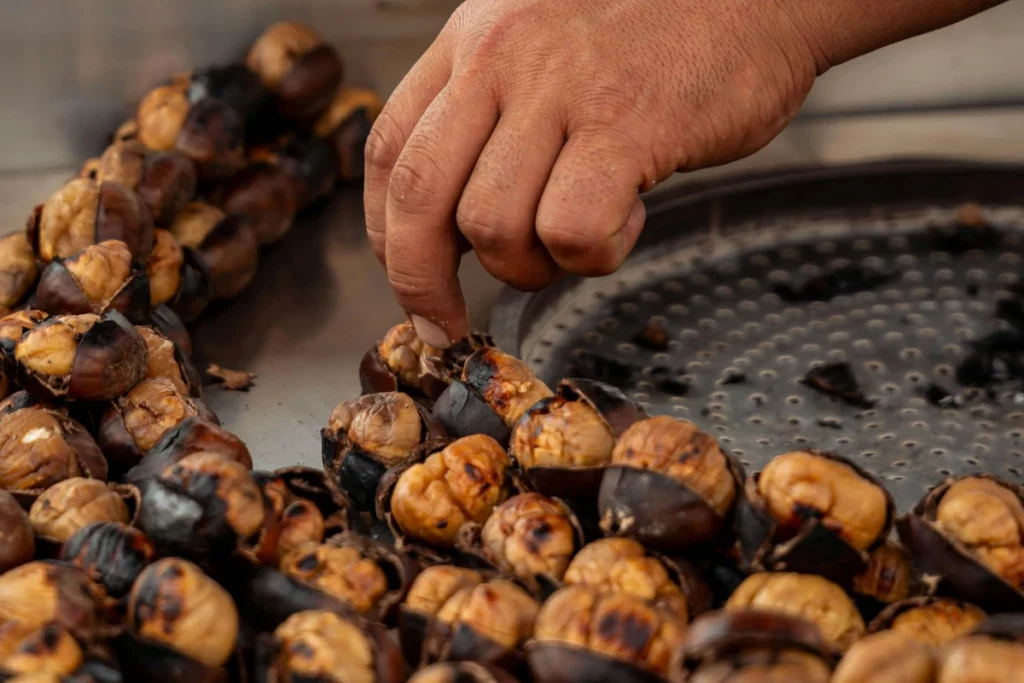
What is a chestnut allergy?
Chestnut allergy is an immune-mediated reaction triggered by proteins in chestnuts — the edible nuts of trees in the Castanea genus, most commonly the European chestnut (Castanea sativa) and American chestnut (Castanea dentata). While chestnut allergy can occur as a standalone tree nut allergy, it has particular clinical significance as one of the highest-risk foods in latex-fruit syndrome — the cross-reactivity condition that affects a significant proportion of people with latex allergy.
Chestnuts are consumed roasted, boiled, candied, and ground into flour, and appear in a wide range of seasonal and specialty foods — stuffings, soups, desserts, gluten-free baked goods, and Asian cuisines where chestnut is a common ingredient. Their presence in gluten-free products deserves particular attention, as individuals avoiding wheat may encounter chestnut flour in products they might not otherwise expect.
It is worth distinguishing chestnuts from water chestnuts, which are not nuts at all but aquatic vegetables with a completely different protein profile. An up allergy to chestnut does not predict reactivity to water chestnut, and the two should not be conflated.
The primary allergenic proteins in chestnuts include chitinases, patatin-like proteins, and a hevein-like protein domain — the same class of proteins responsible for cross-reactivity with natural rubber latex. Chitinases in particular are highly homologous to latex proteins, which is why chestnut sits in the high-risk category of latex cross-reactive foods alongside banana, avocado, kiwi, and papaya. These proteins are relatively heat-stable, meaning cooking does not reliably reduce chestnut’s allergenicity.
Chestnut also shares some protein similarities with other tree nuts, though it is botanically distinct from the nuts in the Juglandaceae family (walnuts, pecans) and the Betulaceae family (hazelnuts). Cross-reactivity with other tree nuts is less consistently observed than the latex cross-reactivity, but an allergist will typically assess the full tree nut picture when chestnut allergy is confirmed.
Symptoms
Chestnut allergy symptoms typically develop within minutes of consuming chestnuts or products containing them. In the context of latex-fruit syndrome, reactions tend to be more systemic than the mild oral symptoms seen with many pollen-food cross-reactivities. Symptoms can include:
- Itching or tingling in the mouth, lips, or throat
- Swelling of the lips, tongue, or face (angioedema)
- Hives
- Skin flushing or rash
- Runny nose or sneezing
- Watery or itchy eyes
- Wheezing or difficulty breathing
- Stomach cramps
- Nausea or vomiting
- Diarrhea
- Dizziness or lightheadedness
- Anaphylaxis in severe cases
Chestnut is one of the foods most frequently associated with anaphylaxis in latex-allergic individuals. Even individuals who have previously tolerated chestnuts without issue can develop sensitivity over time, particularly as latex sensitization progresses.
Foods and substances that cross-react with chestnut
Latex (highest clinical significance)
The cross-reactivity between chestnut and natural rubber latex is the most clinically important relationship in chestnut allergy. Anyone diagnosed with chestnut allergy should be evaluated for latex sensitization, and anyone with confirmed latex allergy should be advised to avoid chestnuts as a precaution regardless of prior tolerance. See latex-fruit syndrome for a full overview of this cross-reactivity pattern.
Other high-risk latex cross-reactive foods:
Other tree nuts (variable cross-reactivity):
Diagnosis
Clinical history
A detailed history is the starting point for chestnut allergy diagnosis. Your allergist will review the nature and timing of any reactions to chestnut, assess for a history of latex exposure or latex-related symptoms, and ask about reactions to other latex cross-reactive foods. Given the strong latex-chestnut association, a latex sensitization evaluation is a standard part of the diagnostic workup when chestnut allergy is identified.
Skin prick test
A skin prick test can assess sensitization to chestnut and related allergens. Where standardized commercial chestnut extracts are not available, fresh chestnut extract may be used. Simultaneous testing for latex and other high-risk cross-reactive foods is typically performed.
Blood test
A blood test measuring specific IgE antibodies to chestnut proteins can confirm sensitization and help assess the degree of reactivity. Component-resolved testing for chitinase and hevein-domain proteins can clarify the latex cross-reactivity risk in individuals where this has not previously been established.
Oral food challenge
An oral food challenge may be considered in cases where allergy test results are ambiguous or where a previous reaction to chestnut requires formal characterization. Given the potential for severe reactions, this is always conducted under direct medical supervision.
Treatment
Avoidance
Strict avoidance of chestnuts and all products containing them is the primary management strategy. Chestnut is a tree nut and falls under the major allergen labeling requirements in the US, so it must be declared on packaged food labels. Areas requiring particular vigilance include:
- Seasonal roasted chestnut products, particularly around Thanksgiving and Christmas
- Stuffings, soups, and gravies
- Gluten-free baked goods using chestnut flour
- Marrons glacés and other French or Italian confections
- Asian dishes including Korean, Chinese, and Japanese cuisine where chestnut is a common ingredient
- Chestnut spreads and pastes
For latex-allergic individuals, avoidance of chestnut is recommended as a precautionary measure even in the absence of a documented reaction, given chestnut’s position as one of the highest-risk latex cross-reactive foods.
Antihistamines
Oral antihistamines can be given after epinephrine administration to help block the histamine-mediated portion of an allergic reaction. They should not be depended on as a standalone treatment for food allergies.
Epinephrine
Individuals with chestnut allergy — particularly those with confirmed or suspected latex-fruit syndrome — should carry an epinephrine auto-injector (such as an EpiPen, Auvi-Q, or neffy intranasal epinephrine) at all times. Epinephrine is the first-line emergency treatment for anaphylaxis and must be used at the first sign of a severe systemic reaction, followed immediately by calling emergency services.
If you are in the NYC area and have experienced a reaction to chestnut, or have a latex allergy and want to understand your food cross-reactivity risk, our allergists can provide comprehensive testing and management guidance. Book an appointment online or call (212) 686-6321.
Frequently asked questions
Is chestnut allergy the same as other tree nut allergies?
Chestnut is a tree nut, so a chestnut allergy falls within the broader category of tree nut allergy. However, chestnut is botanically distinct from most other commonly allergenic tree nuts such as walnut, hazelnut, and cashew, and its most clinically significant cross-reactivity is with latex rather than with other tree nuts. The management approach is similar — strict avoidance and epinephrine prescription — but the latex association makes chestnut allergy a distinct clinical entity.
Do I need to avoid all tree nuts if I am allergic to chestnut?
Not automatically. Cross-reactivity between chestnut and other tree nuts is variable and less predictable than the latex cross-reactivity. Your allergist will test for reactivity to other tree nuts and advise on avoidance based on your individual results rather than a blanket recommendation.
I have a latex allergy but have eaten chestnuts without any reaction. Should I still avoid them?
Yes, avoidance is generally recommended for latex-allergic individuals regardless of prior tolerance. Sensitization can develop or intensify over time, and chestnut is one of the foods most consistently associated with severe reactions in the latex-allergic population. A previously tolerated food can become reactive as latex sensitization progresses. Your allergist can discuss the appropriate level of precaution for your specific situation.
Is water chestnut the same as chestnut?
No. Water chestnuts are aquatic vegetables with no botanical relationship to chestnuts. They have a completely different protein profile and a chestnut allergy does not predict reactivity to water chestnuts. If you have a chestnut allergy and are uncertain about water chestnuts, your allergist can clarify based on testing.
Can chestnut flour cause a reaction?
Yes. Chestnut flour retains the allergenic proteins found in whole chestnuts and can cause reactions in chestnut-allergic individuals. It appears in gluten-free baked goods, pasta, and specialty products and requires the same vigilance as whole chestnuts. Always check ingredient labels carefully on gluten-free and specialty food products.
Why is chestnut considered particularly high risk in latex-fruit syndrome?
Chestnuts contain hevein-like proteins and chitinases that share a high degree of structural similarity with major latex allergens. This makes the immune system’s cross-recognition of chestnut proteins particularly strong in latex-sensitized individuals. Along with banana, avocado, kiwi, and papaya, chestnut is consistently placed in the highest-risk category of latex cross-reactive foods based on the frequency and severity of reported reactions.