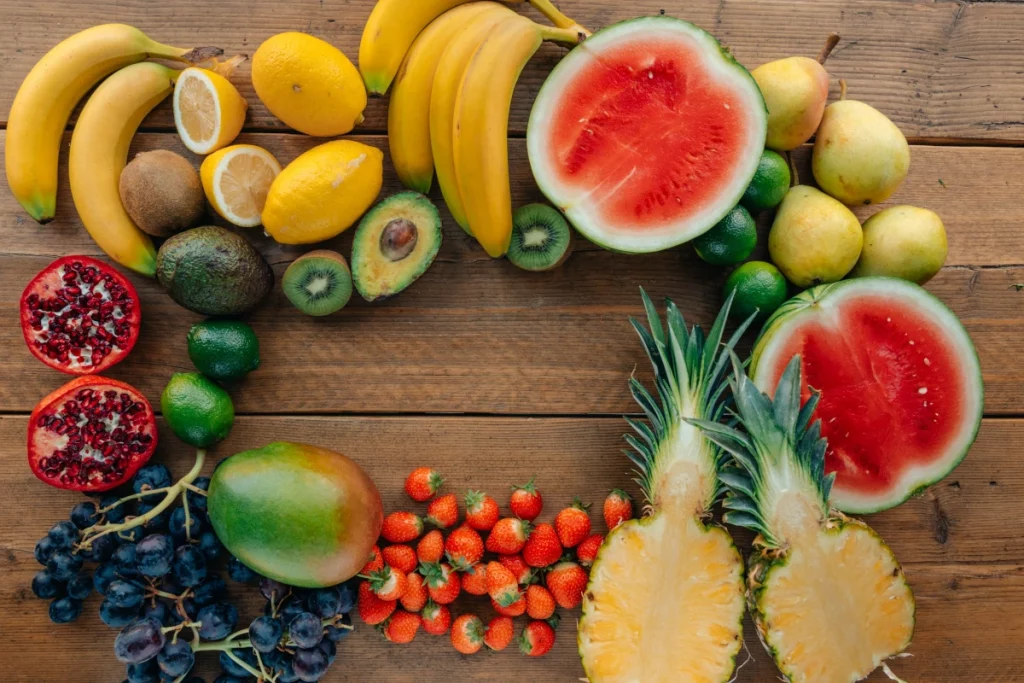
What is latex-fruit syndrome?
Latex-fruit syndrome is a cross-reactivity condition in which people with latex allergy develop allergic reactions to certain fruits, vegetables, and nuts. It occurs because proteins in natural rubber latex share structural similarities with proteins found in a range of plant foods — close enough that the immune system, already sensitized to latex, recognizes and reacts to them as well.
The condition is common among people with latex allergy. Estimates vary, but between 30 and 50 percent of latex-allergic individuals show some degree of sensitization to latex cross-reactive foods, and a meaningful proportion experience clinical symptoms on eating them. The reverse is also possible — individuals who develop sensitization to cross-reactive foods first may subsequently react to latex, though this direction is less common.
The proteins responsible for this cross-reactivity include several plant defense proteins, most notably chitinase enzymes, patatin-like proteins, and hevein — a small protein found in the latex of the rubber tree (Hevea brasiliensis) that is considered the primary driver of latex-fruit cross-reactivity. Hevein-like proteins are present in a wide range of botanically unrelated fruits and vegetables, which explains why the list of cross-reactive foods is so broad and seemingly unconnected.
Latex-fruit syndrome sits within the broader category of pollen-food allergy syndromes in that it involves cross-reactivity between an environmental or occupational allergen and food proteins. Unlike classic pollen-food allergy syndrome, however, reactions in latex-fruit syndrome are frequently more than just mild oral tingling — systemic reactions including hives, vomiting, and anaphylaxis are well documented, particularly with high-risk foods such as banana, avocado, and chestnut.
Symptoms
Symptoms of latex-fruit syndrome range from mild oral symptoms to severe systemic reactions depending on the specific food, the degree of sensitization, and the amount consumed. They typically develop within minutes of eating a cross-reactive food.
Mild to moderate symptoms include:
- Itching or tingling in the mouth, lips, or throat
- Swelling of the lips or tongue
- Hives
- Skin flushing or rash
- Runny nose or sneezing
- Stomach cramps
- Nausea or vomiting
- Diarrhea
Severe symptoms include:
- Throat tightening or difficulty swallowing
- Wheezing or difficulty breathing
- Dizziness or lightheadedness
- Drop in blood pressure
- Anaphylaxis
The severity of reactions varies considerably between individuals and between foods. High-risk foods — those with the strongest structural similarity to latex proteins — are more likely to cause systemic reactions, while lower-risk foods more often produce mild oral symptoms only. Cooking or processing can reduce but does not always eliminate reactivity, particularly for high-risk foods.
Cross-reactive foods in latex-fruit syndrome
Cross-reactive foods are generally grouped by level of clinical risk based on the frequency and severity of reported reactions.
High cross-reactivity (most likely to cause reactions):
Moderate cross-reactivity:
Lower cross-reactivity (less commonly implicated):
- Cherry
- Fig
- Grape
- Mango
- Melon
- Passion fruit
- Pear
- Strawberry
- Walnut
- Hazelnut
- Coconut
- Lychee
- Buckwheat
- Rye
This list is not exhaustive and individual reactivity patterns vary. Not every latex-allergic person will react to every food on this list, and some may react to foods not commonly associated with the syndrome. Allergy testing and clinical history are the most reliable guides to an individual’s specific cross-reactivity profile.
Who is at risk?
Latex-fruit syndrome occurs in the context of latex allergy, so the populations most at risk mirror those with the highest rates of latex sensitization:
- Healthcare workers with repeated occupational latex glove exposure
- People who have undergone multiple surgical procedures, particularly from childhood
- Individuals with spina bifida, who have high rates of latex sensitization due to early and repeated medical interventions
- Workers in rubber manufacturing or industries with regular latex exposure
- People with known allergies to cross-reactive foods who have not yet been tested for latex sensitization
Anyone with a confirmed latex allergy should be informed about latex-fruit syndrome and assessed for food cross-reactivity, and anyone with repeated unexplained reactions to the high-risk foods above should be evaluated for possible underlying latex sensitization.
Diagnosis
Clinical history
A detailed history of reactions to both latex-containing products and specific foods is the starting point. Your allergist will look for a pattern of reactions to latex cross-reactive foods, assess the severity of any food reactions, and determine whether latex sensitization has previously been confirmed or needs to be tested.
Skin prick test
Skin prick testing can assess sensitization to latex and to specific cross-reactive foods. Fresh food extracts are sometimes used alongside or instead of commercial extracts for foods where standardized reagents are less available. A raised wheal within 15 to 20 minutes at the test site indicates sensitization.
Blood test
A blood test measuring specific IgE antibodies to latex and to individual food allergens can confirm sensitization and help map the cross-reactivity profile. Component-resolved testing for specific latex proteins such as Hev b8 can provide additional detail about cross-reactivity risk.
Oral food challenge
Where test results are ambiguous or where an individual wishes to determine whether a specific food can be safely consumed, an oral food challenge may be recommended. This is carried out under direct medical supervision in a clinical setting equipped to manage any reaction.
Treatment and management
Avoidance
Avoidance of confirmed cross-reactive foods is the primary management strategy. For high-risk foods — banana, avocado, kiwi, chestnut, and papaya — avoidance is generally recommended for all latex-allergic individuals regardless of whether a food reaction has occurred, given the potential for severe reactions. For moderate and lower-risk foods, avoidance decisions are guided by individual test results and clinical history.
Cooking and processing
Heat can degrade some of the proteins responsible for cross-reactivity, and some individuals with mild reactivity to lower-risk foods can tolerate cooked or canned versions. This does not apply reliably to high-risk foods, and cooked avoidance should not be assumed safe without allergist guidance.
Antihistamines
Oral antihistamines can be given after epinephrine administration to help block the histamine-mediated portion of an allergic reaction. They should not be depended on as a standalone treatment for food allergies.
Epinephrine
Any latex-allergic individual with a history of systemic reactions to latex cross-reactive foods should carry an epinephrine auto-injector (such as an EpiPen, Auvi-Q, or neffy intranasal epinephrine) at all times. Given the potential for anaphylaxis with high-risk foods, epinephrine prescription is standard practice for most patients with confirmed latex-fruit syndrome.
Latex avoidance
Managing the underlying latex allergy through strict latex avoidance remains central to overall management. Reducing ongoing latex sensitization may help limit the progression of cross-reactive food reactivity over time.
If you have a latex allergy and have noticed reactions to certain fruits, vegetables, or nuts, our NYC allergists can assess your cross-reactivity profile and help you understand which foods to avoid. Book an appointment online or call (212) 686-6321.
Frequently asked questions
Is latex-fruit syndrome the same as a latex allergy?
Latex-fruit syndrome is a consequence of latex allergy rather than a separate condition. It describes the cross-reactivity between latex proteins and food proteins that occurs in a significant proportion of latex-allergic individuals. You cannot have latex-fruit syndrome without an underlying latex sensitization.
Do all people with latex allergy develop latex-fruit syndrome?
No. Estimates suggest between 30 and 50 percent of latex-allergic individuals show sensitization to one or more cross-reactive foods, but not all of these will experience clinical symptoms on eating them. The likelihood and severity of food reactions varies between individuals. Regular follow-up with an allergist allows cross-reactivity to be monitored over time.
Why are banana, avocado, and kiwi particularly high risk?
These fruits contain proteins with a high degree of structural similarity to hevein and other major latex allergens. The immune system’s cross-recognition of these proteins is strong enough that systemic reactions, including anaphylaxis, are well documented with all three. They represent the foods most consistently implicated in severe reactions in latex-allergic individuals and are typically the first foods an allergist will ask about when assessing a patient with latex allergy.
Can I eat these foods if they are cooked?
For lower-risk foods, cooking can reduce reactivity in some individuals because heat degrades the responsible proteins. For high-risk foods — particularly banana, avocado, kiwi, chestnut, and papaya — cooking does not reliably eliminate the risk of reaction and avoidance is generally recommended regardless of preparation method. Your allergist can advise on your specific situation.
Can food cross-reactivity cause latex allergy?
Primary sensitization to latex through food alone is considered uncommon, but there is some evidence that sensitization to plant foods containing hevein-like proteins could in theory contribute to latex sensitization in certain individuals. The more typical direction is latex sensitization preceding food cross-reactivity. If you experience reactions to multiple latex cross-reactive foods without a known latex allergy, evaluation for latex sensitization is worthwhile.
Is latex-fruit syndrome related to pollen-food allergy syndrome?
Both involve cross-reactivity between an environmental allergen and food proteins, but the mechanisms and risk profiles differ. Pollen-food allergy syndrome — most commonly associated with birch pollen — typically causes mild, localized oral symptoms that resolve quickly, and the responsible proteins are usually heat-sensitive. Latex-fruit syndrome carries a higher risk of systemic reactions, and the cross-reactive proteins in high-risk foods are more heat-stable. The two syndromes can also coexist in individuals sensitized to both latex and birch pollen.
Should I wear a medical alert bracelet?
For individuals with confirmed latex-fruit syndrome and a history of systemic reactions, wearing a medical alert bracelet or carrying a written allergy action plan is a reasonable precaution. It ensures that anyone providing emergency care is aware of both the latex allergy and the associated food reactivity — relevant in any medical or surgical setting where latex exposure is possible.