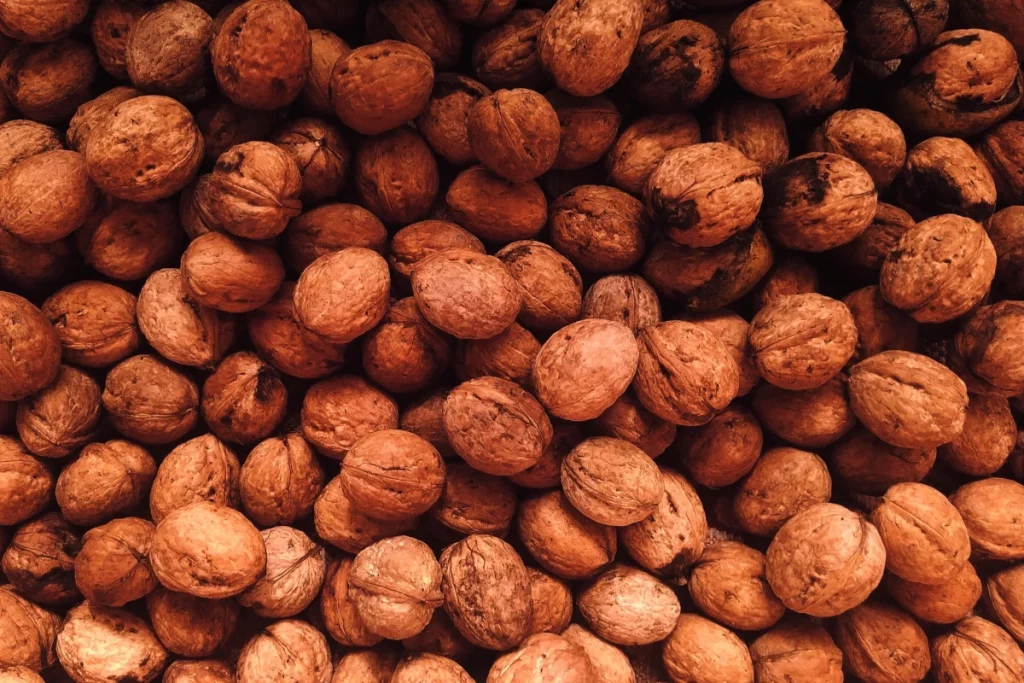
Walnut allergy is an immune-mediated reaction triggered by proteins found in walnuts — most commonly the English or Persian walnut (Juglans regia), the most widely consumed walnut variety in the United States, and the black walnut (Juglans nigra), native to North America and less commonly eaten but present in some specialty products. Walnut allergy is one of the most prevalent tree nut allergies in the US and one of the leading causes of severe food-induced allergic reactions and anaphylaxis, including fatalities.
Walnuts are consumed in a wide range of forms — whole, chopped, as walnut oil, and as an ingredient in baked goods, salads, pasta dishes, pestos, confectionery, and health foods — and their increasing popularity as a heart-healthy food has expanded their presence across the food supply considerably over recent decades. Walnut is also a common ingredient in foods that might not be immediately expected to contain nuts, including certain breads, cereals, granola, energy bars, and savory dishes where walnuts provide texture rather than being a primary flavor.
The primary allergenic proteins in walnuts include 2S albumins (Jug r1), 11S globulins (Jug r4), lipid transfer proteins (Jug r3), and vicilin (Jug r2). These storage proteins are present across the tree nut family and account for the cross-reactivity patterns observed between walnuts and other tree nuts. Jug r3, the lipid transfer protein, is particularly clinically significant — LTPs are heat-stable and resistant to digestion, meaning they retain their allergenic properties in roasted, baked, and processed walnut products, and sensitization to Jug r3 is associated with a higher risk of systemic reactions.
Walnut belongs to the Juglandaceae family alongside pecans, hickory nuts, and butternut. The cross-reactivity between walnut and pecan is among the strongest documented between any two tree nuts — the two share a high degree of allergenic protein similarity, and co-allergy is so common that avoidance of both is typically recommended when either is confirmed. This relationship mirrors the pistachio-cashew pairing discussed on our pistachio allergy page.
Beyond the Juglandaceae family, walnuts also cross-react with other tree nuts through shared storage proteins. The broader tree nut cross-reactivity picture in walnut allergy is more variable than the walnut-pecan relationship and should be assessed through targeted allergy testing rather than assumed.
Birch pollen sensitization is relevant in some walnut-allergic individuals. Walnut contains a PR-10 protein homologous to the major birch pollen allergen Bet v1, meaning birch-sensitized individuals may develop walnut reactivity through pollen-food cross-reactivity. In these cases reactions tend to be mild and confined to the mouth — the typical pattern of pollen-food allergy syndrome — rather than the systemic reactions associated with primary walnut sensitization through storage proteins.
Symptoms
Walnut allergy symptoms typically develop within minutes to a couple of hours of consuming walnuts or walnut-containing products and can range from mild oral symptoms to life-threatening anaphylaxis.
Mild to moderate symptoms:
- Itching or tingling in the mouth, lips, or throat
- Swelling of the lips, tongue, or face (angioedema)
- Hives
- Skin flushing or rash
- Runny nose or sneezing
- Watery or itchy eyes
- Stomach cramps
- Nausea or vomiting
- Diarrhea
Severe symptoms:
- Throat tightening or difficulty swallowing
- Wheezing or significant difficulty breathing
- Dizziness or lightheadedness
- Rapid or weak pulse
- Drop in blood pressure
- Loss of consciousness
- Anaphylaxis
Walnut allergy is one of the tree nut allergies most frequently associated with severe and fatal anaphylactic reactions. Individuals with confirmed walnut allergy — particularly those with LTP sensitization or a history of previous systemic reactions — should have a written emergency action plan and carry epinephrine at all times.
Nuts and foods that cross-react with walnut
Juglandaceae family (highest cross-reactivity):
- Pecan — strongest cross-reactivity, co-allergy extremely common
- Hickory nut
- Butternut
Other tree nuts (variable cross-reactivity):
Pollen cross-reactivity:
- Birch pollen — through PR-10 protein homology in some individuals
Other foods (LTP cross-reactivity, variable):
It is worth noting that peanuts are legumes and not botanically related to tree nuts including walnuts. A walnut allergy does not automatically indicate a peanut allergy, though co-sensitization to both is common and an allergist will typically assess the full picture of nut reactivity when any tree nut allergy is confirmed.
Diagnosis
Clinical history
A detailed history of reactions to walnut and related nuts is the starting point. Your allergist will assess the nature, severity, and timing of any reactions, whether both raw and roasted or processed walnuts have triggered symptoms, whether other tree nuts or peanuts have caused reactions, and whether there is a background of birch pollen sensitization that might indicate a pollen-food allergy syndrome component. Given the strong walnut-pecan cross-reactivity, a clinical assessment of pecan reactivity is a standard part of the workup when walnut allergy is identified.
Skin prick test
A skin prick test can assess sensitization to walnut proteins. A small amount of walnut allergen extract is applied to the forearm or back and the skin is lightly pricked. A raised, itchy wheal within 15 to 20 minutes indicates sensitization. Simultaneous testing for pecan and other relevant tree nuts is typically performed to map the full cross-reactivity picture.
Blood test
A blood test measuring specific IgE antibodies to walnut proteins — and to component allergens including Jug r1, Jug r2, and Jug r3 — can confirm sensitization and provide important information about likely reaction severity. Elevated IgE to Jug r3, the lipid transfer protein, is associated with a higher risk of systemic reactions and anaphylaxis, and indicates that roasted and processed walnut products will remain reactive. Component-resolved testing also helps distinguish primary walnut sensitization from birch pollen-driven cross-reactivity.
Oral food challenge
Where allergy test results are ambiguous or where a patient’s clinical history requires formal characterization, an oral food challenge may be recommended under direct medical supervision in a clinical setting equipped to manage any reaction.
Treatment
Avoidance
Strict avoidance of walnuts and all products containing them is the primary management strategy. Walnut is a tree nut and falls under the major allergen labeling requirements in the US, meaning it must be declared on packaged food labels. However, cross-contamination is a significant risk in bakeries, restaurants, and food manufacturing facilities that process multiple nut varieties, and shared equipment is a common source of accidental exposure.
Hidden and less obvious sources of walnut to be aware of include:
- Baked goods including cakes, cookies, muffins, and brownies where walnuts may not be prominently listed
- Breads and granolas containing walnut pieces
- Pesto and other nut-based sauces — walnut pesto is a common alternative to pine nut pesto
- Salads at restaurants where walnuts are added as a topping
- Energy bars, trail mixes, and snack mixes
- Walnut oil in dressings, marinades, and specialty cooking oils
- Baklava and other Middle Eastern and Mediterranean pastries
- Certain cheese accompaniments and charcuterie boards where candied or plain walnuts are standard additions
- Walnut-based milk alternatives
- Some natural skincare and haircare products containing walnut shell powder or walnut oil
Antihistamines
Antihistamines can be given after epinephrine administration to help block the histamine-mediated portion of an allergic reaction. They should not be depended on as a standalone treatment for food allergies.
Epinephrine
Individuals with walnut allergy — particularly those with a history of systemic reactions, confirmed LTP sensitization, or co-existing asthma — should carry an epinephrine auto-injector (such as an EpiPen, Auvi-Q, or neffy intranasal epinephrine) at all times. Epinephrine is the first-line emergency treatment for anaphylaxis and must be used at the first sign of a severe systemic reaction, followed immediately by calling emergency services. A second dose may be required if symptoms do not improve within 5 to 10 minutes and a second auto-injector is available.
If you are in the NYC area and have experienced a reaction to walnuts or other tree nuts, our allergists can provide comprehensive testing and help you understand your full pattern of nut reactivity. Book an appointment online or call (212) 686-6321.
Frequently asked questions
Is walnut allergy common?
Walnut is one of the most commonly reported tree nut allergies in the United States, alongside cashew and pistachio. Tree nut allergy as a group affects approximately 1 to 2 percent of the general population, and walnut is consistently among the nuts most frequently identified in allergy testing. Tree nut allergies, including walnut allergy, are among the leading causes of food-induced anaphylaxis and anaphylaxis-related fatalities in the US.
Do I need to avoid pecans if I am allergic to walnuts?
Yes, in most cases. Walnut and pecan belong to the same Juglandaceae botanical family and share a high degree of allergenic protein similarity. Co-allergy to both nuts is extremely common, and most allergists recommend avoiding pecans when walnut allergy is confirmed — regardless of whether a documented pecan reaction has occurred. Your allergist can confirm your individual pecan reactivity through targeted testing.
Can walnut oil cause a reaction?
It depends on the type of oil. Cold-pressed or unrefined walnut oil retains significant amounts of walnut protein and can cause reactions in walnut-allergic individuals. Highly refined walnut oil has most proteins removed during processing and may be tolerated by some individuals, but this cannot be assumed safe without allergist guidance. Given the severity of walnut allergy reactions, caution with all walnut-derived products including oil is advisable until your individual reactivity has been assessed.
Is walnut allergy lifelong?
Tree nut allergies are generally considered persistent and are among the food allergies least likely to be outgrown, particularly when they develop in childhood. Studies suggest that only around 9 percent of children with tree nut allergy develop natural tolerance over time. Regular review with an allergist is recommended to reassess the status of the allergy over time.
Can I eat other tree nuts if I am allergic to walnuts?
Not without a formal assessment. Cross-reactivity between walnuts and other tree nuts varies — the walnut-pecan relationship is strong enough to warrant automatic avoidance, while cross-reactivity with cashews, almonds, or pistachios is more variable. An allergist can test for individual tree nut reactivities to determine which nuts are safe for you rather than recommending blanket avoidance of all tree nuts, which may be unnecessarily restrictive depending on your specific sensitization pattern.
What should I do if I accidentally eat walnuts?
If you have a confirmed walnut allergy and accidentally consume walnuts or a walnut-containing product, act quickly. For mild symptoms such as mouth tingling or a small number of hives, antihistamines may provide symptomatic relief — but monitor closely for any progression of symptoms. For any signs of a systemic reaction — throat tightening, wheezing, dizziness, widespread hives, or vomiting — use your epinephrine auto-injector immediately and call emergency services. Do not wait to see if symptoms resolve on their own when a systemic reaction is developing.
Is walnut allergy related to latex allergy?
Walnut has been associated with latex cross-reactivity in some reported cases, though the relationship is less well established than the latex cross-reactivity documented for banana, avocado, kiwi, chestnut, and papaya. If you have a latex allergy and experience reactions to walnuts, discussing this pattern with your allergist as part of a broader latex-fruit syndrome assessment is worthwhile.