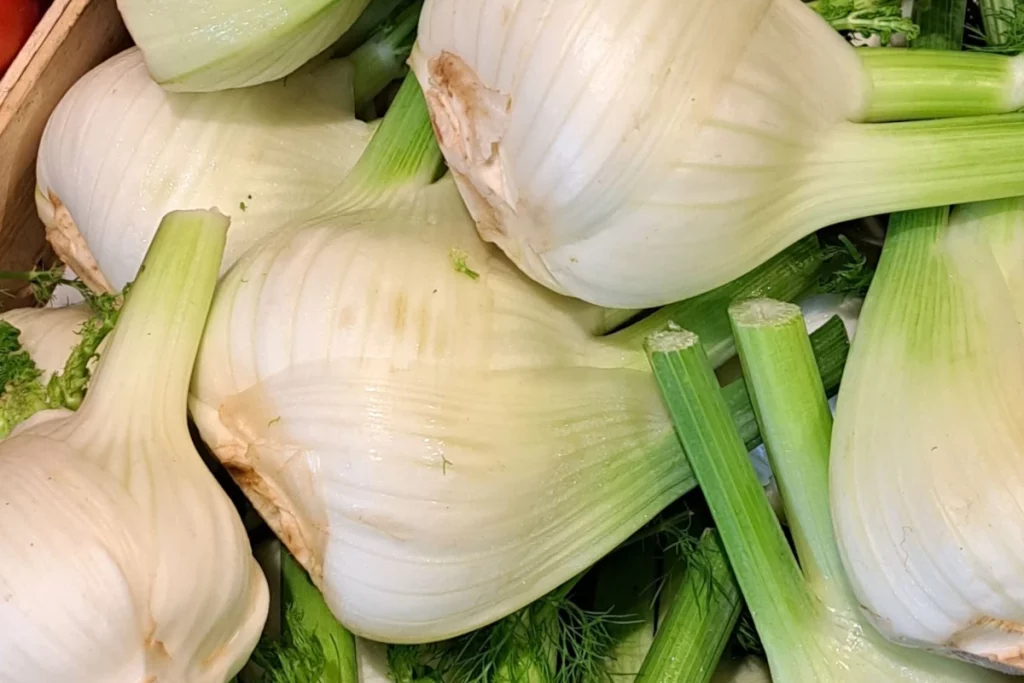
What is a fennel allergy?
Fennel allergy is an immune-mediated reaction triggered by proteins found in fennel (Foeniculum vulgare), a flowering plant in the Apiaceae family used extensively as both a vegetable and a culinary spice. All parts of the fennel plant are edible and commonly consumed — the bulb as a vegetable, the seeds as a spice, and the fronds and pollen as culinary garnishes — and each of these represents a distinct route of allergenic exposure. Fennel seed in particular is one of the more widely distributed spice allergens, appearing in a broad range of products including sausages, herbal teas, digestive supplements, bread, and liqueurs where it may not always be immediately apparent.
Fennel belongs to the Apiaceae family alongside celery, carrot, parsley, parsnip, dill, coriander, cumin, caraway, and anise. Cross-reactivity within this family is extensive and well documented. Fennel shares the same broad cross-reactivity pattern as celery and carrot — it is a recognized member of celery-carrot-mugwort-spice syndrome, the cross-reactivity cluster involving mugwort pollen sensitization and multiple Apiaceae family foods. Individuals diagnosed with celery or carrot allergy should be assessed for fennel reactivity, and vice versa.
As with celery and carrot, the allergenic proteins in fennel are closely related to those in birch pollen. The primary fennel allergen is a PR-10 protein homologous to Bet v1, meaning birch-sensitized individuals are at elevated risk of fennel reactivity. This protein is heat-labile and degraded by cooking, so individuals sensitized primarily through this pathway may tolerate cooked fennel bulb while reacting to raw fennel or fennel seed. Fennel also contains profilins and, in some preparations, lipid transfer proteins — each with different stability profiles and different implications for how cooking affects safety.
Fennel seed allergy deserves specific clinical attention because fennel seed is present in a far wider range of products than fennel bulb. It is a primary flavoring in Italian sausages, some salamis and processed meats, rye and sourdough breads, anise-flavored liqueurs such as sambuca and pastis, herbal digestive teas, infant colic remedies, and a range of Indian and Middle Eastern spice blends. The seed form concentrates fennel’s allergenic proteins and represents the exposure route most likely to cause reactions in individuals who may not regularly eat fennel bulb as a vegetable.
Fennel pollen is also a recognized aeroallergen in Mediterranean regions, and occupational sensitization through handling fennel plants or seeds has been reported in agricultural and food industry workers. In the northeastern United States, fennel pollen is a less significant environmental allergen than birch or ragweed, but the cross-reactivity between fennel proteins and birch pollen means that fennel food reactions are clinically relevant in this region.
Symptoms
Fennel allergy symptoms vary depending on the allergenic protein responsible and the form of fennel consumed. Reactions to fennel seed tend to occur in the context of spice allergy and may be harder to identify because spices are consumed in small quantities and often as part of mixed dishes.
In PR-10-mediated allergy (birch pollen cross-reactivity):
- Itching or tingling in the mouth, lips, or throat
- Mild swelling of the lips or tongue
- Symptoms typically confined to the mouth and throat
- Usually resolves quickly after swallowing or removing the food
- Raw fennel bulb most commonly implicated — cooked fennel usually tolerated
In profilin or LTP-mediated allergy:
- Itching or tingling in the mouth, lips, or throat
- Swelling of the lips, tongue, or face (angioedema)
- Hives
- Skin flushing or rash
- Stomach cramps
- Nausea or vomiting
- Wheezing or difficulty breathing
- Dizziness or lightheadedness
- Anaphylaxis in severe cases
- Both raw and cooked fennel can trigger reactions
Contact dermatitis from handling fresh fennel has been reported, particularly in food preparation and occupational settings. Photocontact dermatitis — a skin reaction triggered by fennel contact combined with sun exposure — is also recognized due to the presence of furanocoumarins in fennel, compounds that sensitize the skin to ultraviolet light.
Foods and pollens that cross-react with fennel
Apiaceae family (strongest cross-reactivity):
Birch pollen cross-reactive foods:
Pollens:
- Birch pollen (primary driver in most cases)
- Mugwort pollen (celery-carrot-mugwort-spice syndrome)
- Alder and hazel pollen
Anise-flavored foods and beverages (shared flavor compounds):
- Anise seed
- Star anise
- Licorice
- Sambuca, pastis, ouzo, and other anise-flavored liqueurs
Note that the cross-reactivity with anise-flavored products reflects shared allergenic proteins in some cases and shared flavor compounds (anethole) in others. The flavor similarity does not itself indicate cross-reactivity, but botanical relationships within the Apiaceae family do.
Diagnosis
Clinical history
A detailed history is the starting point for fennel allergy diagnosis. Your allergist will assess whether symptoms occur with fennel bulb, fennel seed, or both, whether reactions are confined to raw fennel or extend to cooked preparations, whether there is a background of birch or mugwort pollen sensitization, and whether other Apiaceae family members have caused reactions. Given fennel seed’s presence in a wide range of processed foods and spice blends, identifying it as the specific trigger in a mixed dish reaction can require careful dietary review.
Skin prick test
A skin prick test can assess sensitization to fennel proteins. Both fresh fennel bulb extract and fennel seed extract may be used in testing. Simultaneous testing for birch pollen, mugwort, celery, carrot, and related Apiaceae spices is typically performed to assess the full cross-reactivity picture.
Blood test
A blood test measuring specific IgE antibodies to fennel can confirm sensitization. Component-resolved testing for PR-10 proteins, profilins, and LTPs can provide important information about likely reaction severity and the role of cooking in managing the allergy. Elevated IgE to LTP allergens indicates a higher risk of systemic reactions in both raw and cooked forms.
Oral food challenge
Where the role of cooking in reducing reactivity needs to be formally established, or where test results are ambiguous, an oral food challenge may be recommended under direct medical supervision.
Treatment
Avoidance
The extent of avoidance depends on the allergenic protein responsible and individual clinical history. Individuals with heat-labile PR-10-mediated allergy may be able to tolerate cooked fennel bulb under allergist guidance. Those with LTP-mediated allergy require avoidance in all forms. In all cases, fennel seed avoidance requires particular vigilance given its wide distribution across processed and prepared foods.
Fennel is not a named major allergen under US food labeling law and will not be prominently flagged on labels. Careful ingredient review is essential for:
- Italian sausages, salamis, and processed meats — fennel seed is a defining ingredient in many varieties
- Rye, sourdough, and seeded breads
- Herbal teas including digestive and calming blends
- Infant colic drops and digestive herbal remedies for children
- Anise-flavored liqueurs including sambuca, pastis, and ouzo
- Indian spice blends including panch phoron and some curry mixes
- Middle Eastern spice blends including ras el hanout and baharat
- Pickles and pickling spice mixes
- Toothpaste and oral care products with anise or fennel flavoring
- Herbal supplements and digestive enzyme products
Antihistamines
Oral antihistamines can be given after epinephrine administration to help block the histamine-mediated portion of an allergic reaction. They should not be depended on as a standalone treatment for food allergies.
Epinephrine
Individuals with LTP-mediated allergy or a history of systemic reactions should carry an epinephrine auto-injector (such as an EpiPen, Auvi-Q, or neffy intranasal epinephrine) at all times. Epinephrine is the first-line emergency treatment for anaphylaxis and should be used at the first sign of a severe systemic reaction, followed immediately by calling emergency services.
If you are in the NYC area and have experienced reactions to fennel, spices, or related Apiaceae family foods, our allergists can assess your sensitization profile and help map your full cross-reactivity pattern. Book an appointment online or call (212) 686-6321.
Frequently asked questions
Is fennel allergy common?
Fennel allergy as a standalone primary allergy is uncommon, but fennel reactivity as part of celery-carrot-mugwort-spice syndrome or birch pollen cross-reactivity is more frequently encountered than the primary allergy rates suggest. Because fennel seed appears in many products where it is not the obvious primary ingredient — sausages, breads, herbal teas, and liqueurs — reactions to fennel are often unattributed or attributed to other ingredients. Individuals with birch pollen allergy or known celery or carrot allergy are at elevated risk and should be aware of fennel as a potential cross-reactive food.
Can I eat cooked fennel if I react to raw fennel?
Possibly, depending on which protein is responsible. PR-10 proteins, which drive most birch pollen-related fennel reactivity, are heat-labile and degraded by cooking. Many individuals with this sensitization profile can tolerate cooked fennel bulb without issue. LTP sensitization, by contrast, is not reduced by cooking. Component-resolved blood testing can clarify which protein is responsible, and a supervised oral food challenge can formally confirm tolerance of cooked fennel. This should always be assessed by an allergist.
Is fennel seed more allergenic than fennel bulb?
Fennel seed contains a higher concentration of the plant’s essential oils and proteins than the fresh bulb and is the form most likely to cause reactions in spice-sensitive individuals. The seed also has a much wider distribution across processed foods than the bulb, representing a higher-frequency exposure route for many people. Individuals who react to fennel seed but appear to tolerate fennel bulb should have both forms formally assessed rather than assuming the bulb is always safe.
What is celery-carrot-mugwort-spice syndrome and where does fennel fit?
Celery-carrot-mugwort-spice syndrome is a cross-reactivity cluster in which individuals sensitized to mugwort pollen develop reactions to celery, carrot, fennel, and a range of related Apiaceae spices. Fennel is one of the spices most consistently implicated in this syndrome alongside anise, coriander, cumin, and caraway. If you have been diagnosed with celery or carrot allergy, fennel allergy testing is worthwhile as part of a comprehensive Apiaceae cross-reactivity assessment.
Can fennel cause a skin reaction without being eaten?
Yes. Contact dermatitis from handling fresh fennel is reported, particularly in food preparation settings. Photocontact dermatitis — a skin reaction triggered by fennel contact combined with sun exposure — is also recognized due to furanocoumarins in the plant. Gardeners, cooks, and food handlers who develop unexplained skin reactions on the hands or forearms after working with fennel should consider both contact sensitization and phototoxic reactions as possible explanations.
Is licorice the same as fennel for allergy purposes?
Licorice and fennel share a similar flavor profile due to the compound anethole, but they are botanically distinct. Licorice is derived from Glycyrrhiza glabra, a legume, while fennel is an Apiaceae family plant. Shared flavor does not indicate shared allergenic proteins, and a fennel allergy does not automatically predict licorice reactivity. However, anise seed — which is botanically in the same Apiaceae family as fennel — does carry a genuine cross-reactivity risk and should be assessed if fennel allergy is confirmed.