
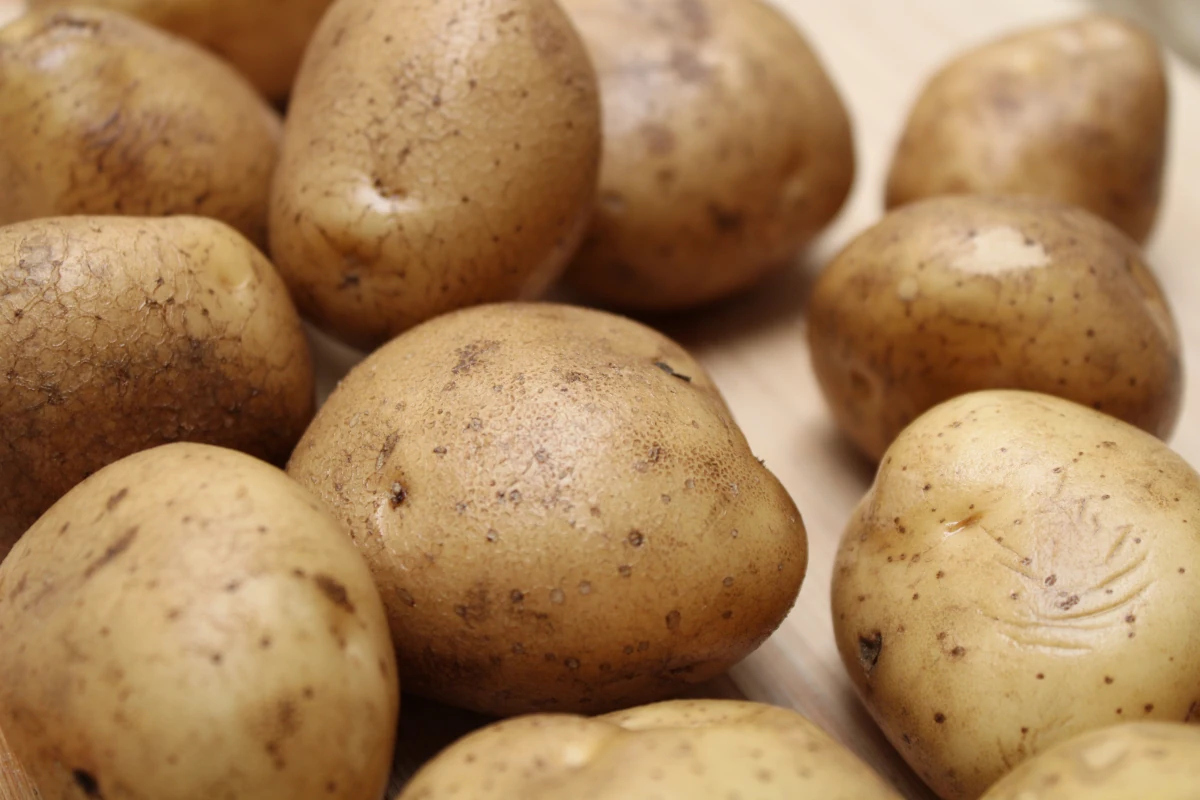
What Is Potato Allergy?
Potato allergy is an immune-mediated reaction that occurs when the body identifies proteins in potatoes as harmful and mounts an allergic response. The main allergenic proteins in potato include patatin (Sol t1), a storage protein that makes up a large portion of potato tuber protein, along with profilin and lipid transfer proteins (LTPs) that are shared across many unrelated plant foods and pollens.
Potato allergy is less common than allergies to other Solanaceae family members like tomato, but it carries a distinct occupational angle: raw potato handling, particularly peeling and grating, is a recognized cause of contact urticaria in food service and catering workers, sometimes called “potato itch.” Cooking generally reduces potato’s allergenicity since patatin is heat-sensitive, which is why some individuals tolerate cooked potato but react to raw potato on contact or ingestion.
Potato Cross-Reactivity
Latex-fruit syndrome:
Potato is among the foods associated with latex-fruit syndrome, a cross-reactivity pattern seen in individuals allergic to natural rubber latex. This connection is generally considered lower risk than the high-risk latex foods like banana, avocado, kiwi, and chestnut, but it is still clinically relevant.
Solanaceae (nightshade) family:
- Tomato
- Eggplant
- Bell and chili peppers
- Tobacco (occupational relevance for smokers and tobacco workers)
Pollen cross-reactivity (profilin-mediated):
- Birch pollen
- Grass pollen
- Ragweed pollen
Other LTP cross-reactive foods (variable):
Profilin sensitization tends to produce widespread but mild cross-reactivity across many unrelated plant foods and pollens, so a positive test to potato in a pollen-allergic individual does not necessarily mean a clinically significant food allergy is present. Correlating test results with actual reaction history is important.
Potato Allergy Symptoms
Contact reactions (common in food handlers):
- Itching, redness, or hives on the skin after handling raw potato
- Contact urticaria, typically resolving after washing hands and avoiding further contact
Oral and systemic symptoms:
- Itching or tingling in the mouth, lips, or throat
- Swelling of the lips, tongue, or face (angioedema)
- Hives
- Skin flushing or rash
- Stomach cramps
- Nausea or vomiting
- Wheezing or difficulty breathing
- Dizziness or lightheadedness
- Anaphylaxis in rare, severe cases
Systemic reactions to potato are less common than contact reactions, but individuals with LTP-mediated sensitization can experience more significant symptoms regardless of whether the potato is raw or cooked.
Potato Allergy Diagnosis
Clinical history
A detailed history is the starting point for potato allergy diagnosis. Your allergist will ask whether symptoms occur with raw potato, cooked potato, or both, whether reactions happen on skin contact versus ingestion, and whether there is a background of latex allergy, pollen allergy, or other Solanaceae food reactions.
Skin prick test
A skin prick test can assess sensitization to potato. Fresh potato extract is sometimes used alongside commercial extracts, since some potato allergens degrade in standardized preparations. Simultaneous testing for latex and relevant pollens is often performed.
Blood test
A blood test measuring specific IgE antibodies to potato can help confirm sensitization, particularly when skin testing is inconclusive or contraindicated.
Oral food challenge
An oral food challenge may be considered when test results are ambiguous or when it’s unclear whether raw and cooked potato need to be avoided separately. This is always conducted under direct medical supervision.
Potato Allergy Treatment
Avoidance
For individuals with confirmed potato allergy, avoidance strategies depend on the pattern of reaction identified:
- Those with contact reactions to raw potato may tolerate cooked potato and can manage symptoms by wearing gloves during food preparation
- Those with reactions to both raw and cooked potato need to avoid potato and potato-derived ingredients altogether, including potato starch, potato flour, and modified food starch when the source is unclear
- Potato is not a top allergen under US labeling law, so ingredient lists must be checked carefully
Antihistamines
Antihistamines can be given after epinephrine administration to help block the histamine-mediated portion of an allergic reaction. They should not be depended on as a standalone treatment for potato allergy.
Epinephrine
Individuals with a history of systemic reactions to potato should carry an epinephrine auto-injector, such as an EpiPen, Auvi-Q, or neffy intranasal epinephrine, at all times. Epinephrine is the first-line emergency treatment for anaphylaxis and should be used at the first sign of a severe reaction, followed immediately by calling emergency services.
If you are in the NYC area and have experienced a reaction to potato, our allergists can determine the type of reaction you have and build a personalized management plan. Book an appointment online or call (212) 686-6321.
Potato Allergy Frequently Asked Questions
Why do I react to raw potato but not cooked potato?
This is common and points to a heat-sensitive allergen, most likely patatin. Cooking breaks down this protein, which is why many people who react to peeling or handling raw potato can eat cooked potato without issue. This should still be confirmed with an allergist rather than assumed, since not all potato allergens are heat-sensitive.
Is potato allergy related to latex allergy?
It can be. Potato is one of the foods associated with latex-fruit syndrome, though it’s considered a lower-risk cross-reactive food compared to banana, avocado, kiwi, and chestnut. Anyone with latex allergy who also reacts to potato should mention this to their allergist.
Can food service workers develop potato allergy from handling it at work?
Yes. Repeated skin contact with raw potato is a recognized cause of occupational contact urticaria, particularly in kitchen and catering settings. This typically presents as itching, redness, or hives on the hands rather than a systemic reaction.
Does potato allergy mean I need to avoid tomatoes and peppers too?
Not necessarily. Potato, tomato, eggplant, and peppers are all in the Solanaceae family, and cross-reactivity between them is possible but not guaranteed. Whether avoidance of the full nightshade family is needed depends on individual test results and reaction history.
How common is potato allergy?
True potato allergy is relatively uncommon compared to allergies to other foods, though contact-related reactions in food handlers are likely underreported. Profilin-related sensitization to potato is more frequently seen on allergy testing but often doesn’t correspond to a clinically significant food allergy.